POPULATION

Estimated to reach 287,886,782 by mid-year (July 1, 2026)

AREA

1,904,569 km2

CURRENCY

IDR

WEATHER

Tropical Rainforest Climate & Tropical Monsoon Climate

TIMEZONE

GMT +7
YOUR KIND OF HOLIDAY

When to go

1. The Best Overall Time: May to September

This is the Dry Season for the majority of the archipelago (Bali, Java, Komodo, Lombok).

  • Why for Photography: Clear blue skies, excellent visibility for volcanoes, and predictable light for “Golden Hour” shots.

  • Peak Month: August is the driest month but also the busiest (and most expensive).

2. The “Sweet Spot” (Shoulder Season): May, June, and September

As a travel professional, this is what I recommend for your groups:

  • Condition: The weather is dry, but the crowds are thinner than in July/August.

  • Landscape: In May and June, the islands are still lush and green from the recent rains, but the sky is clear—perfect for rice terrace photos.

3. Best for Specific Regions (The Exceptions)
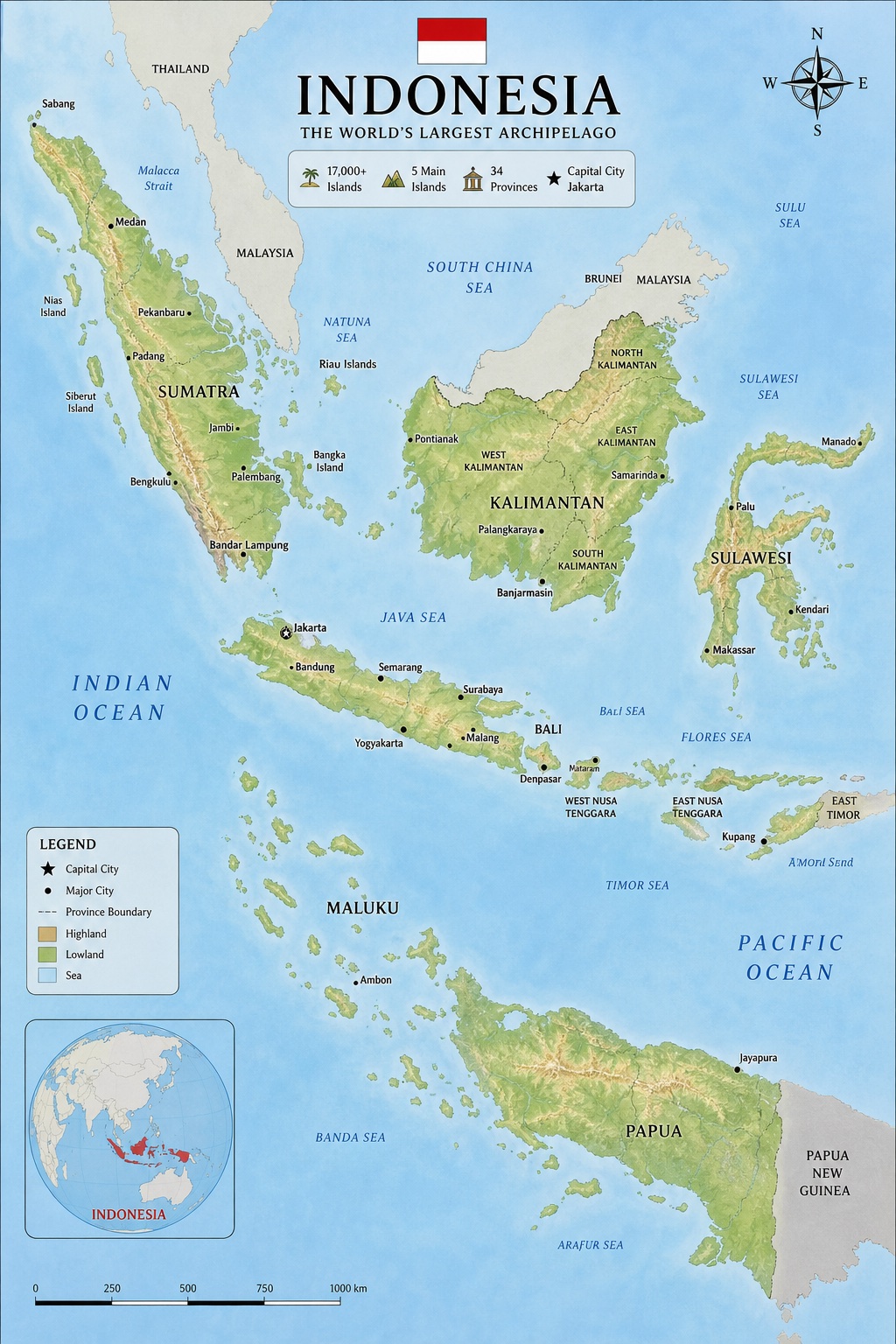
Indonesia is so large that some areas have different “best” times:

  • Raja Ampat & Papua: October to April. This is the inverse of Bali. If your clients want world-class underwater photography or tribal festivals in Papua, go during the European winter.

  • Sumatra: June and July. Sumatra is a rainforest and can rain anytime, but these months offer the best chance for dry trekking to see Orangutans.

https://vietnamphototravel.com/wp-content/uploads/2026/02/Map-of-Indonesia.jpg
The "Golden Window": June to August.

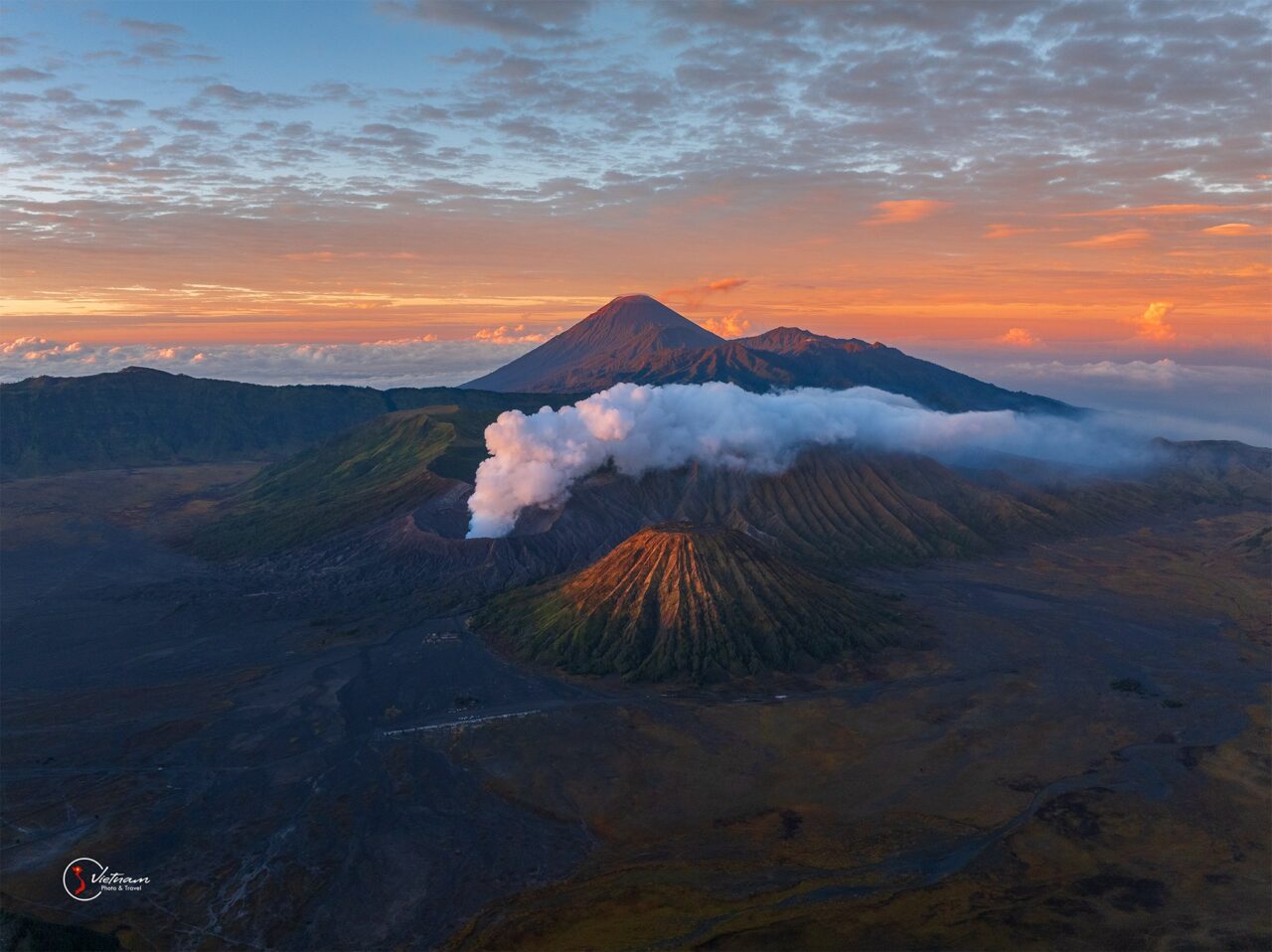
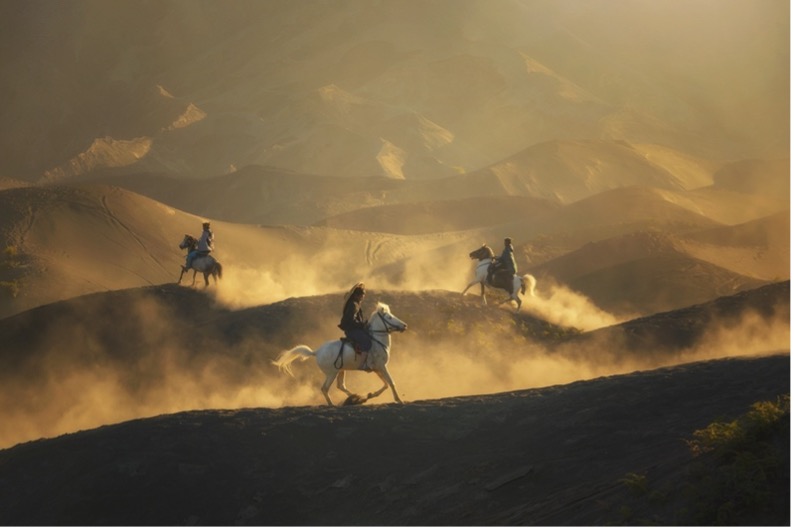
Bromo Mount

This is the peak of the dry season and offers the most reliable conditions.
May – Sept

Bali & Lombok

Perfect beach weather; cool breezes in the evenings.
May – Sept

Java (Jakarta/Yogyakarta)

Hot and humid, but dry. Great for temple photography.
April – Oct

Komodo / Flores

Very dry, savannah-like landscapes. Crystal clear water.
Year round

Sumatra

Can rain at any time, but June/July are generally driest.
Oct – April

Papua / Raja Ampat

Inverse Season: While the rest of Indonesia is wet, this region often has its best diving/sailing weather.
The Ideal Season: May to September

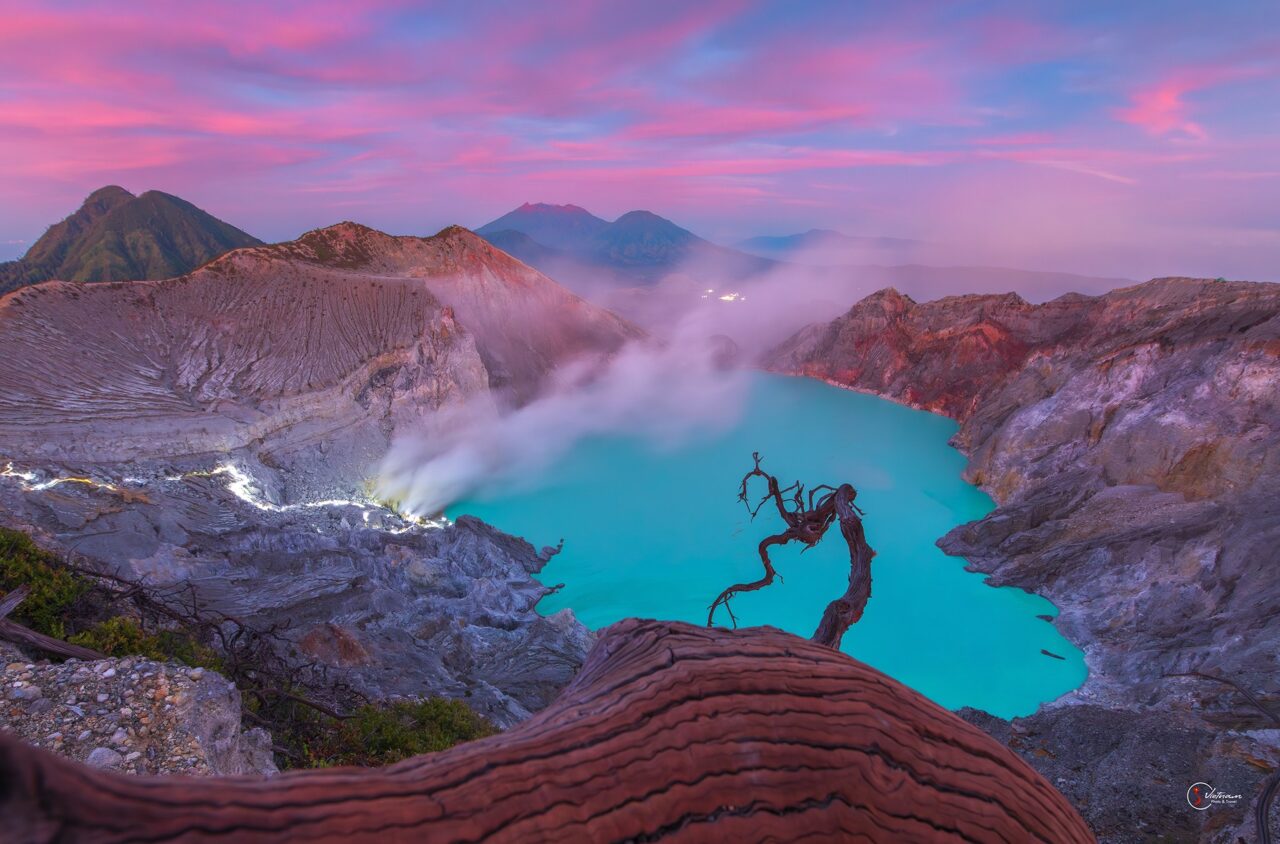
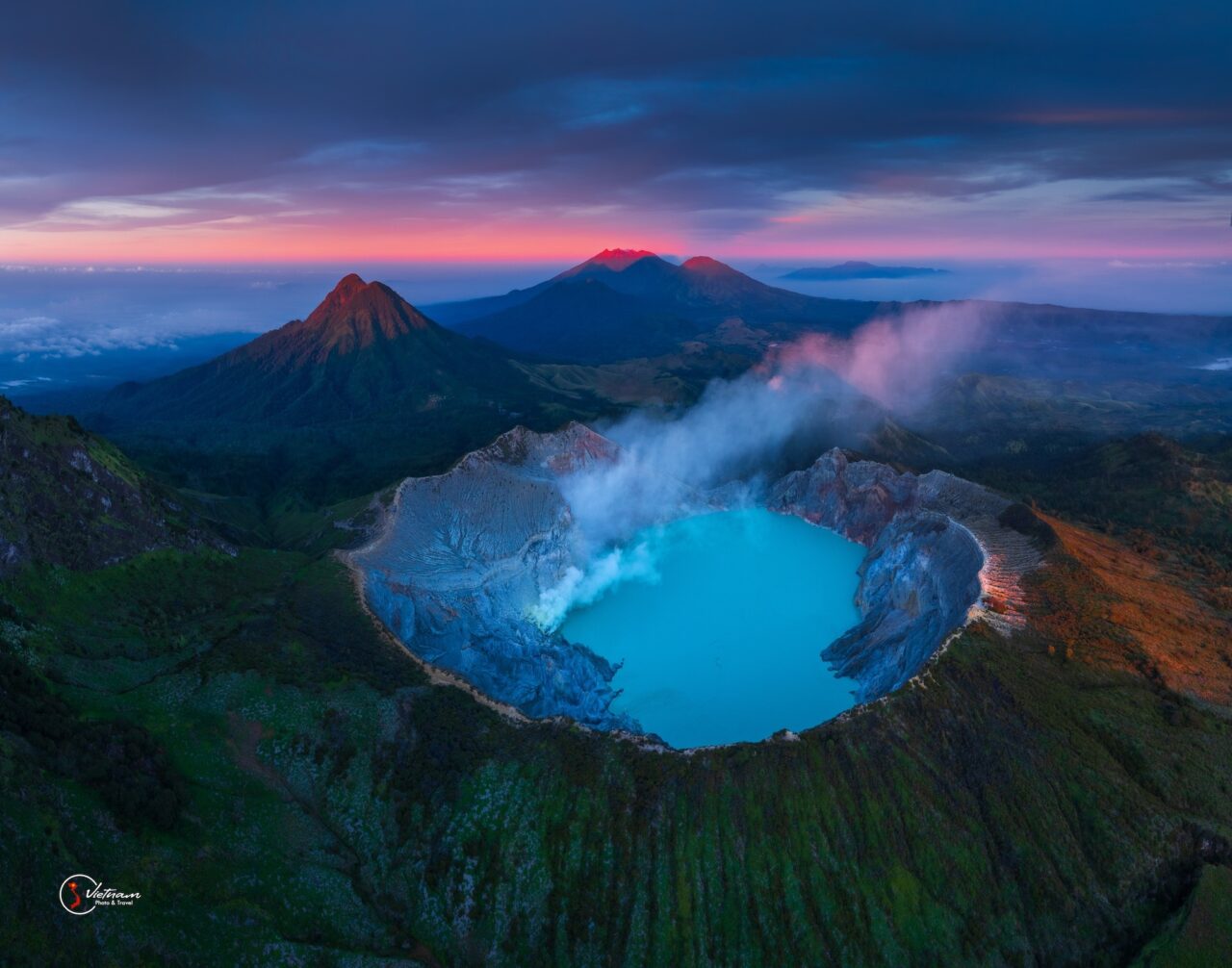
Kawah Ijen Mount

For professional photographers and tour organizers, choosing the right time for Kawah Ijen is crucial to capturing the iconic "Blue Fire" and the Milky Way.
May - Oct

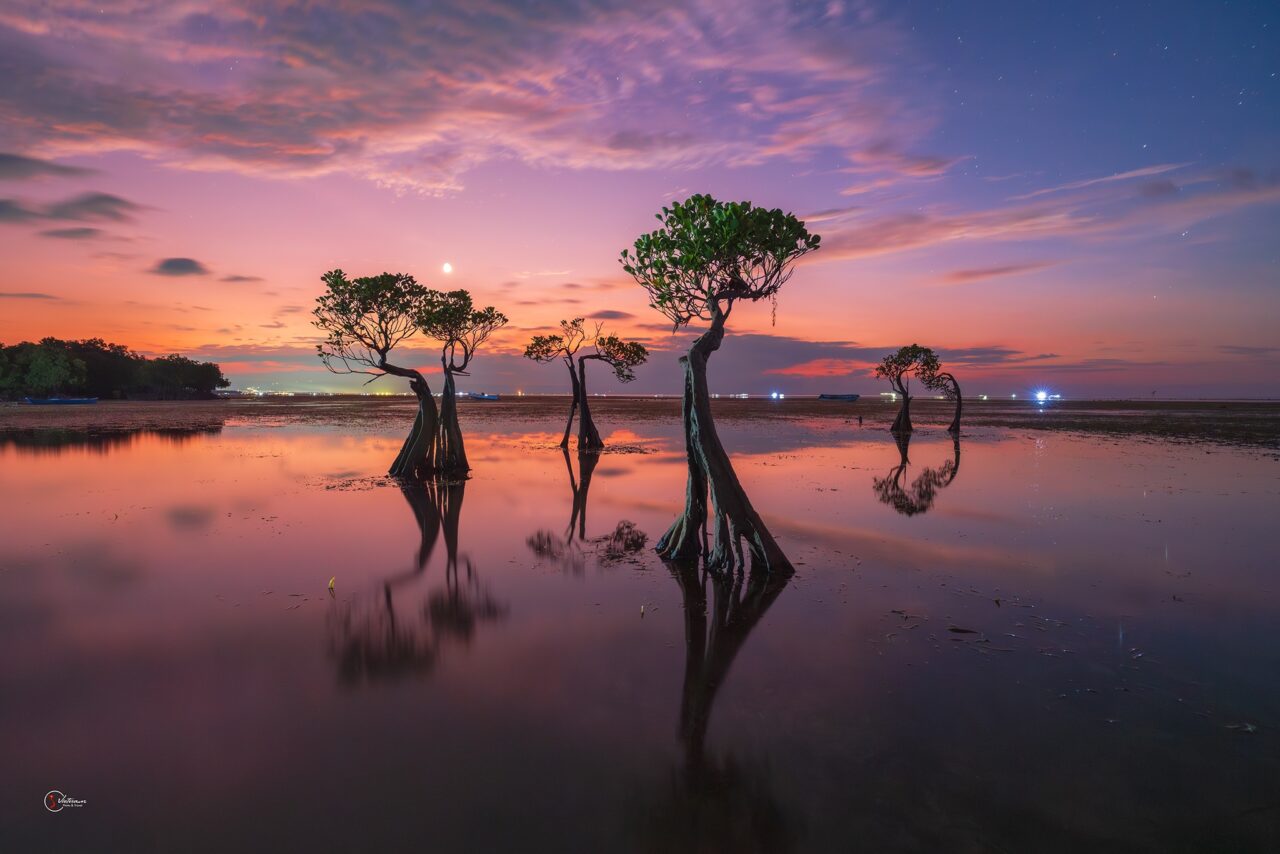
Sumba Island

For a photography-focused agency like yours, Sumba is a "hidden gem"—offering a stark, soulful contrast to the bustling crowds of Bali.
YOUR KIND OF HOLIDAY
Visa to Indonesia

🇮🇩 Visa Policy for Foreign Tourists Traveling to Indonesia (2025–2026 update)

Indonesia has a relatively flexible and tourist-friendly visa policy, especially for Asian travelers.


1. Visa-Free Entry

  • Applicable to some ASEAN countries and selected nationalities
  • Maximum stay: 30 days
  • ❌ Not extendable
  • Purpose: short-term tourism or family visits

2. Visa on Arrival (VoA / e-VoA) – Most Common Option

  • Available for over 90 countries (including Vietnam in most tourism cases)
  • Can be obtained at airports or applied online in advance (e-VoA)
Conditions:
  • Stay duration: 30 days
  • Can be extended once for another 30 days → maximum 60 days total
  • Purpose: tourism, short business trips, or visiting relatives
Requirements:
  • Passport valid for at least 6 months
  • Return or onward flight ticket

3. e-Visa (Online Application)

  • Applied for online before departure
  • Similar to VoA (e-VoA category)
  • Visa is sent via email and shown upon arrival
  • Processing time: usually a few days

4. Important Notes (2026)

  • Travelers must complete the electronic Arrival Card (All Indonesia app) before arrival, usually within 72 hours
  • Bali may charge a tourism levy (~150,000 IDR)
  • Final entry approval is always decided by immigration officers upon arrival

Summary

  • 🇻🇳 Vietnam passport holders: usually visa-free for 30 days
  • 🌍 Most other tourists: Visa on Arrival or e-VoA (30–60 days)
  • 💡 Short trips: VoA is the most popular option

You’ll then receive by email from Viet Expert travel for a VOA approval letter signed by Vietnamese immigration that you print out and show at the custom on arrival, where you pay for your visa stamping fees in cash and US$. The single-entry stamping fee is US$25/person, a multiple-entry stamping fee is US$50/person.

Note: A valid passport for at least six (6) months from the expiry date, 01 recent passport-sized photo required as well as stamping fees in USD cash (the immigration don’t accept any others currency as well as credit card)

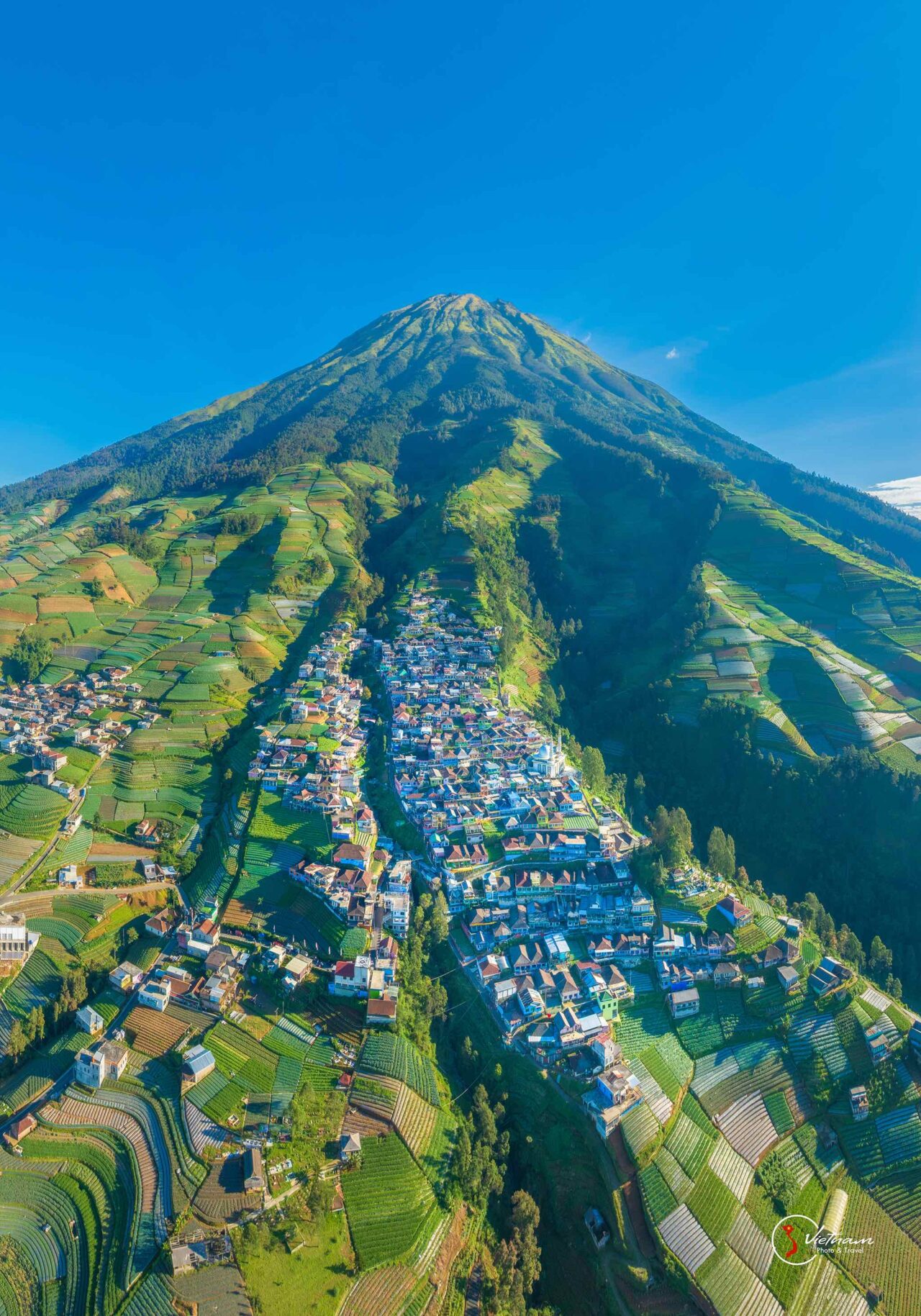
Nepal Van java
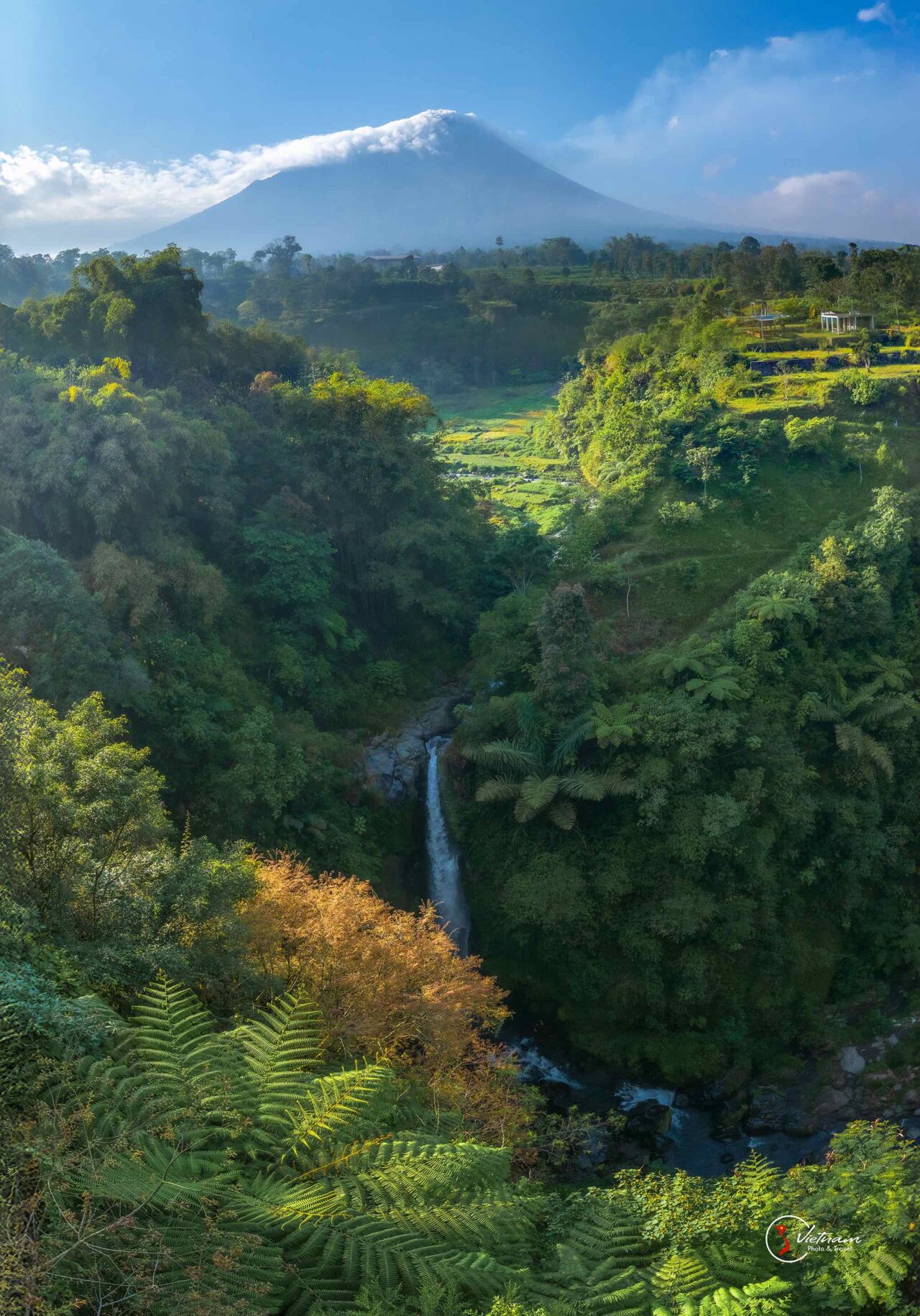
Falls
Waikuri Falls
Kawah Ijen mount
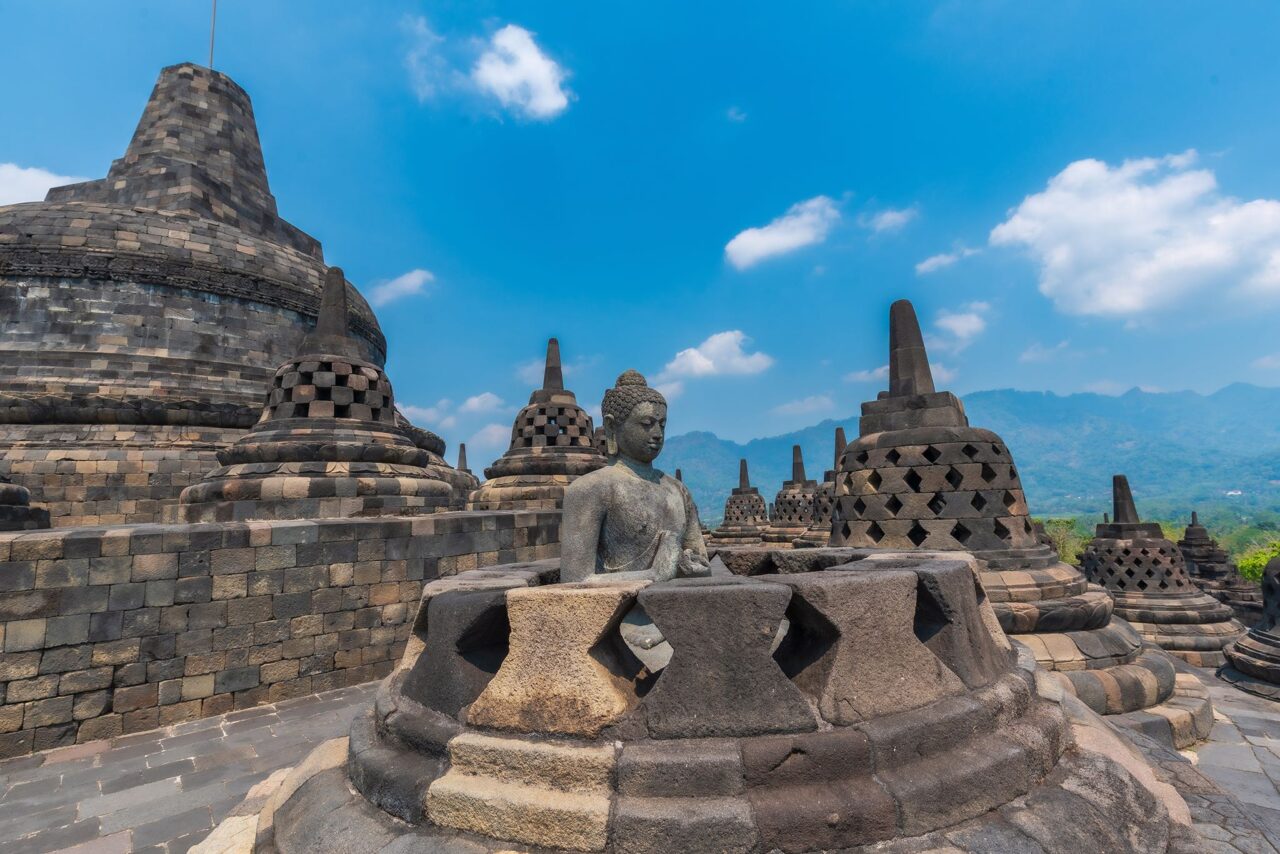
Borobodur temple
Bromi
Dancing trees
Ijen kawa
YOUR KIND OF HOLIDAY
Our Featured Tours

POPULATION

18,05 millions

AREA

181.035 km2

CURRENCY

Riel Campuchia (KHR)

WEATHER

Tropical monsoon

TIMEZONE

GMT +7
YOUR KIND OF HOLIDAY
When to go

Determining the best time to visit Cambodia depends on whether you prioritize perfect weather, lush landscapes, or avoiding crowds. Here is a breakdown to help you decide:

1. The Best Overall: November to February

This is the “Cool and Dry” season and is widely considered the best time to visit.

  • Weather: Blue skies, low humidity, and manageable temperatures ().

  • Why go: It is perfect for long days of temple-hopping at Angkor Wat or relaxing on the southern beaches (Koh Rong, Sihanoukville).

  • Note: This is peak season. Expect higher prices and large crowds at major sites.

2. The “Sweet Spot”: November

If you want a mix of everything, November is often called the “Golden Month.”

  • Landscape: The rains have just ended, leaving the countryside vibrant and green, and the moats at Angkor Wat full.
  • Crowds: The peak winter rush hasn’t fully arrived yet, meaning fewer queues than in December or January.

3. The “Green Season” (Value Choice): May to October

This is the rainy season, but it is not a “washout” and offers unique perks.

  • Weather: Rain typically comes in short, heavy bursts in the late afternoon. The rest of the day is often sunny.

  • Why go: * Low Prices: Hotels and tours offer significant discounts.

    • Fewer Crowds: You can often have remote temples almost to yourself.

    • Natural Beauty: The “Green Season” makes the jungle and rice paddies incredibly lush and photogenic.

    • Tonle Sap: The lake is at its fullest, making boat trips to floating villages much more impressive.

4. The Challenge: March to May

This is the hottest time of the year.

  • Weather: Temperatures can soar above , and the humidity is intense.

  • Tip: If you go now, plan your sightseeing for the very early morning ( AM) and spend the midday hours by a pool or in air-conditioned museums.

  • Event: Mid-April is Khmer New Year—a fantastic cultural experience, but expect many businesses to close and popular spots to be very busy with local travelers.

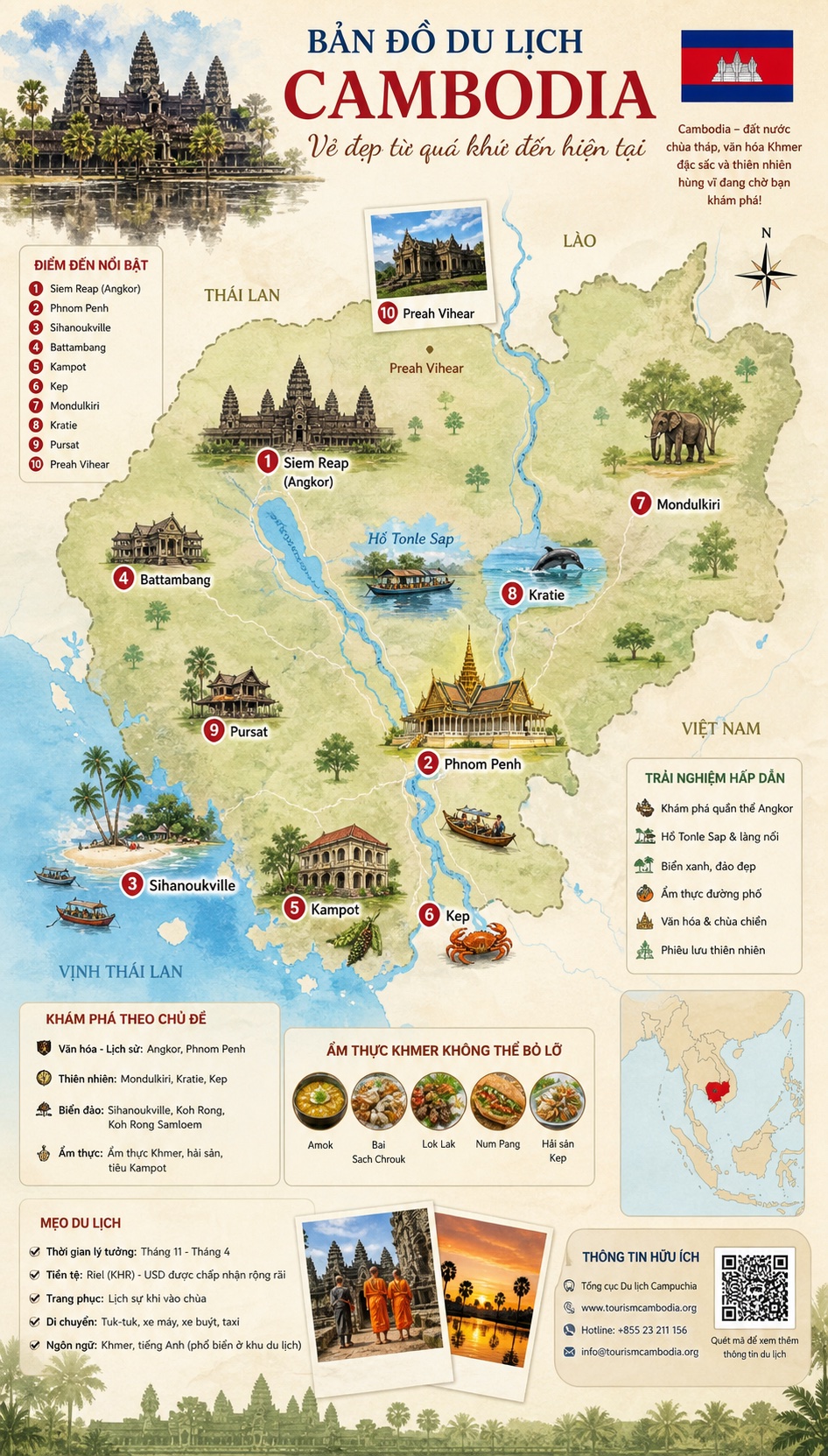
https://vietnamphototravel.com/wp-content/uploads/2026/01/maps-of-cambodia.jpg
The "Golden" Window: November to February

Siem Reap

Minimal rain, mild sunshine, and a dry, cool breeze—especially in the early mornings. Temperatures average between 24°C - 28°C.
The Most Comfortable Time: November to February

Battambang

Dry and "cool" by Cambodian standards. The air is less humid, making outdoor activities much more enjoyable.
The Peak Season: November to February

Phnompenh

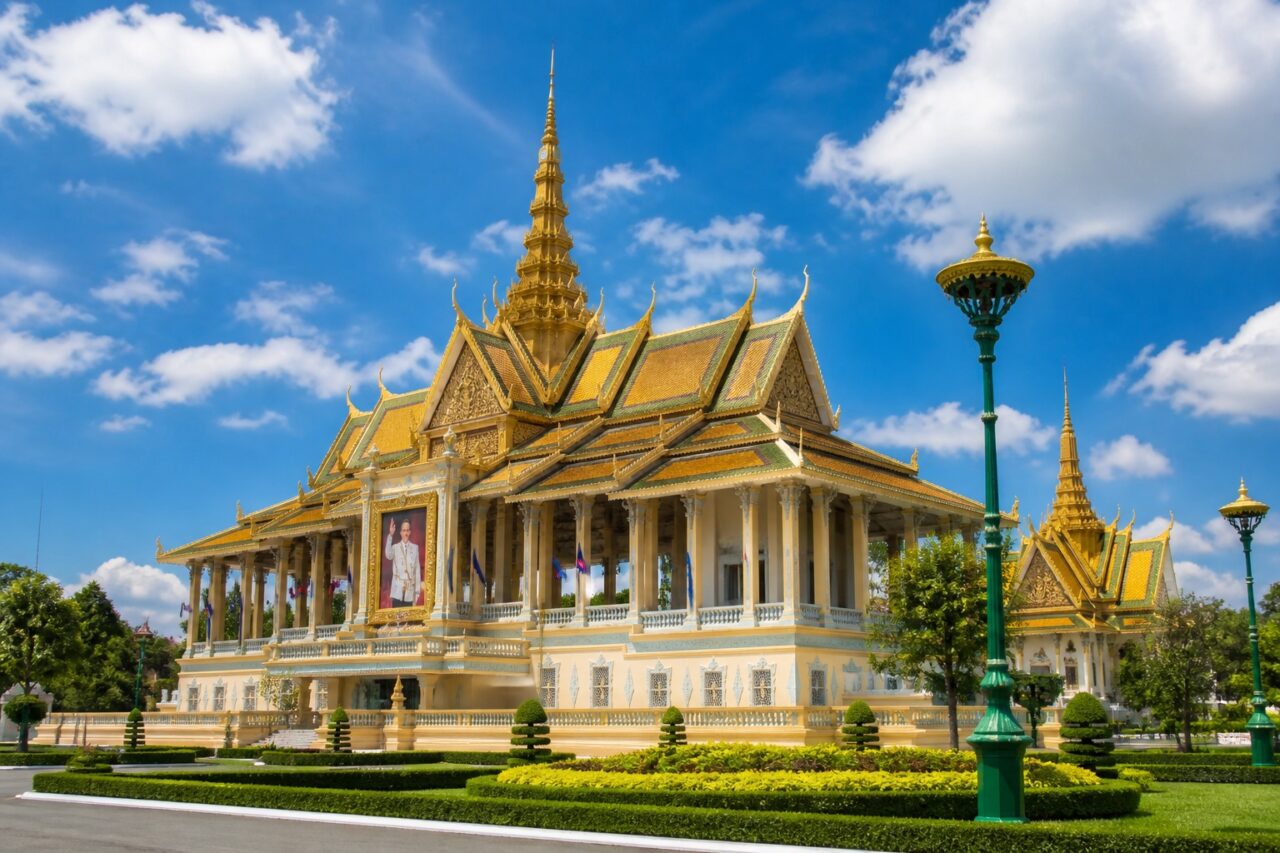
Weather: The weather is dry and relatively cool. It is the most comfortable time for walking tours of the Royal Palace, the National Museum, and the riverfront.
The Best Beach Weather: November to February

Kep

It’s the perfect time for sunbathing, swimming, and eating fresh crab at the Crab Market while watching the sunset without worrying about rain.
he Perfect Island Weather: November to February

Koh Rong

Expect clear blue skies, calm turquoise waters, and low humidity.
1.

Mondulkiri

Dry, sunny, and surprisingly chilly. At night and in the early morning, temperatures can drop to 15°C, so you’ll actually need a sweater!
The Best Weather: November to February

Sihanoukville

Dry, sunny, and much less humid. The sea is calm, making it the safest and most comfortable time for ferry crossings to the islands.
The Best Time for Dolphin Watching: December to May

Since Kratie (Krong Kracheh)

Dry and sunny. From December to February, the weather is pleasant; from March to May, it becomes quite hot.
YOUR KIND OF HOLIDAY
Visa to Cambodia

Cambodia Visa Policy for Foreigners (2026 Update)

As of 2026, Cambodia’s visa policy remains highly accessible, though it has become significantly more digitalized with the mandatory e-Arrival system. Below is a detailed summary:

1. Visa Exemption

Cambodia grants visa-free entry to citizens of ASEAN countries and several other nations for tourism (stays typically range from 14 to 30 days):

  • 30 days: Vietnam, Laos, Malaysia, Singapore, Indonesia, and Maldives.

  • 21 days: Philippines.

  • 14 days: Thailand, Brunei, and Myanmar.

  • 15 days: Seychelles.

  • Special Note for 2026: Cambodia is currently running a pilot program for Chinese tourists (including Hong Kong and Macau) allowing visa-free entry for up to 14 days (scheduled from mid-June to mid-October 2026).

2. Common Visa Types

If you are not from a visa-exempt country, you have two main options:

  • e-Visa (Electronic Visa):

    • Apply online via the official government portal before your trip.

    • Fee: Approximately $36 USD ($30 visa fee + $6 processing fee).

    • Validity: Up to 30 days for a single entry; valid for use within 90 days of issuance.

    • Benefit: Faster immigration processing and no need to queue for a visa on arrival.

  • Visa on Arrival (VOA):

    • Available at international airports (Phnom Penh, Siem Reap) and major land borders.

    • Fee: $30 USD for a Tourist Visa (T-class).

    • Note: Payments must be made in cash (USD). It is recommended to have crisp, clean bills.

3. Mandatory: Cambodia e-Arrival Card

This is a critical update for 2026. All travelers (including those exempt from visas) must complete the Cambodia e-Arrival Card:

  • Website: www.arrival.gov.kh or the official mobile app.

  • Timeline: Must be submitted within 7 days prior to arrival.

  • Function: This digital form replaces the old paper-based immigration, health, and customs declarations. It is free of charge.

4. Entry Requirements & Documents

  • Passport: Must be valid for at least 6 months from the date of entry and have at least one blank page.

  • Photos: One recent passport-sized photo (4×6 cm). Note: If you apply for a Visa on Arrival without a photo, a small administrative fee may be charged.

  • Proof of Travel: You may be asked to show a return or onward flight ticket and proof of accommodation (hotel booking).

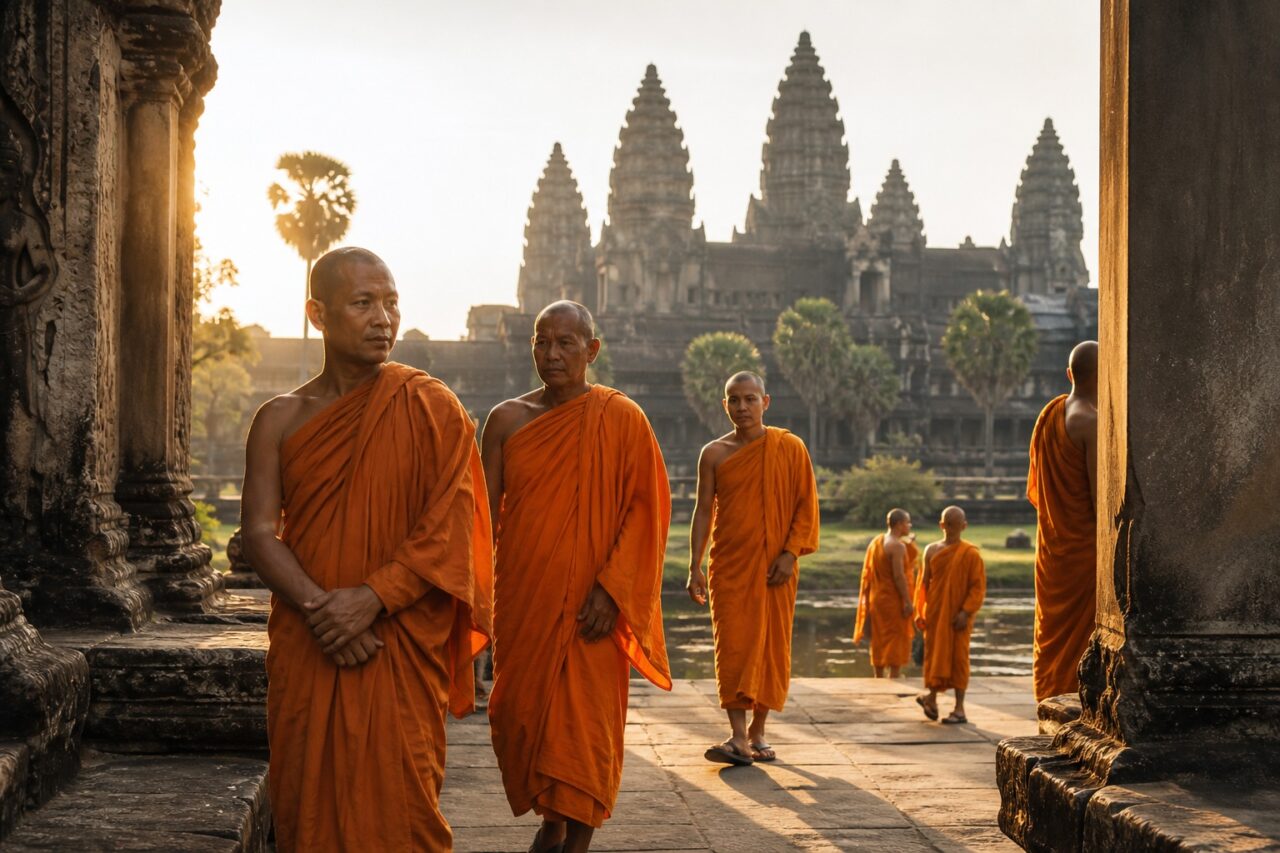
Cambodian monks at Angkor Wat
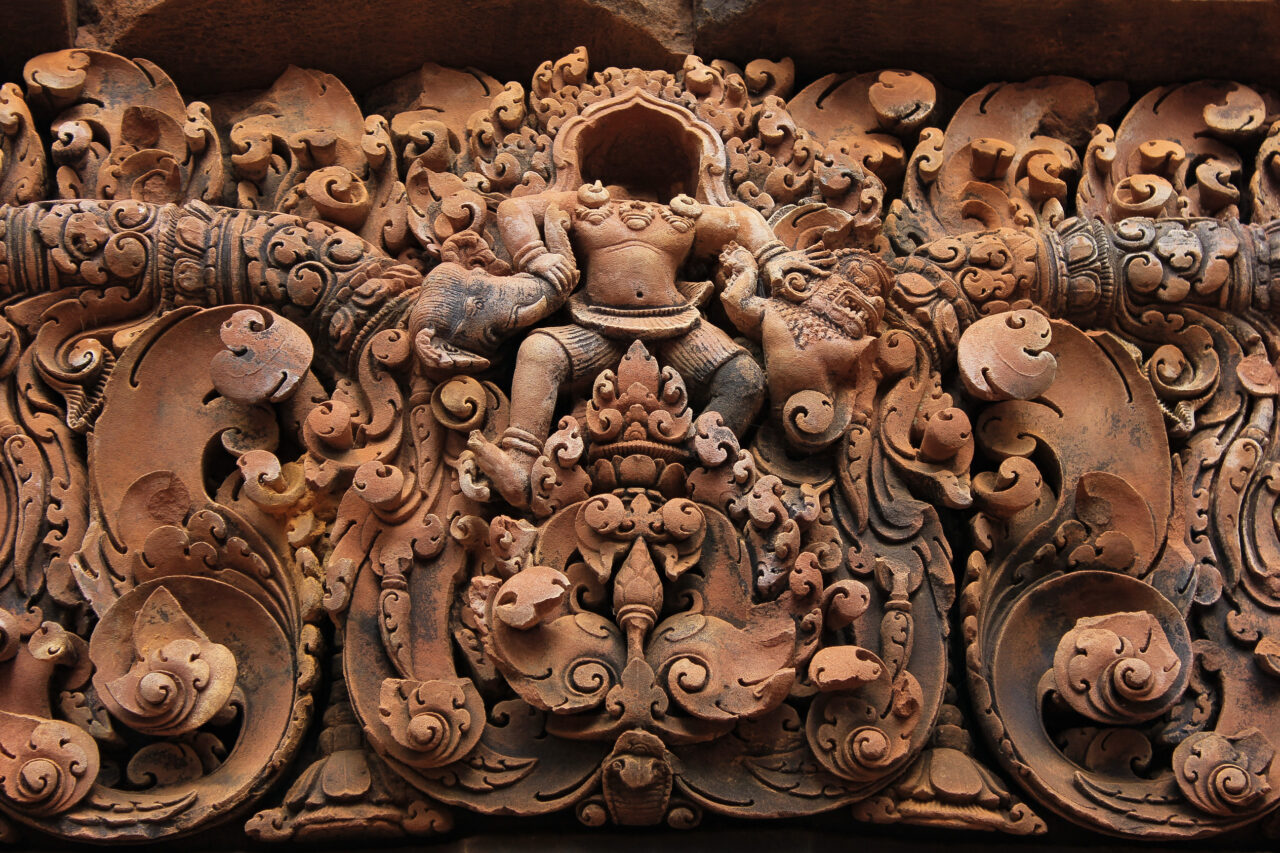
Decor angkor
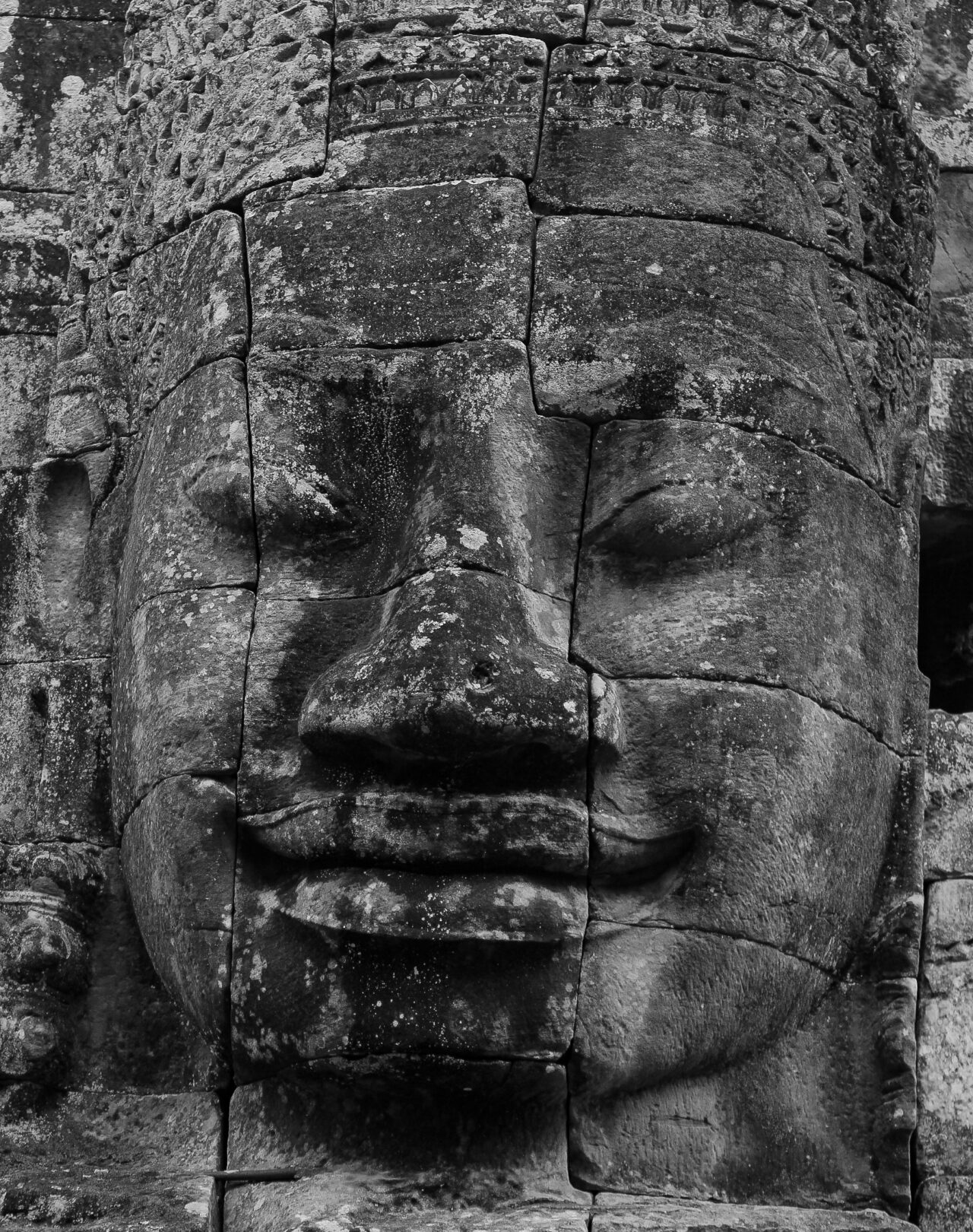
Temple angkor
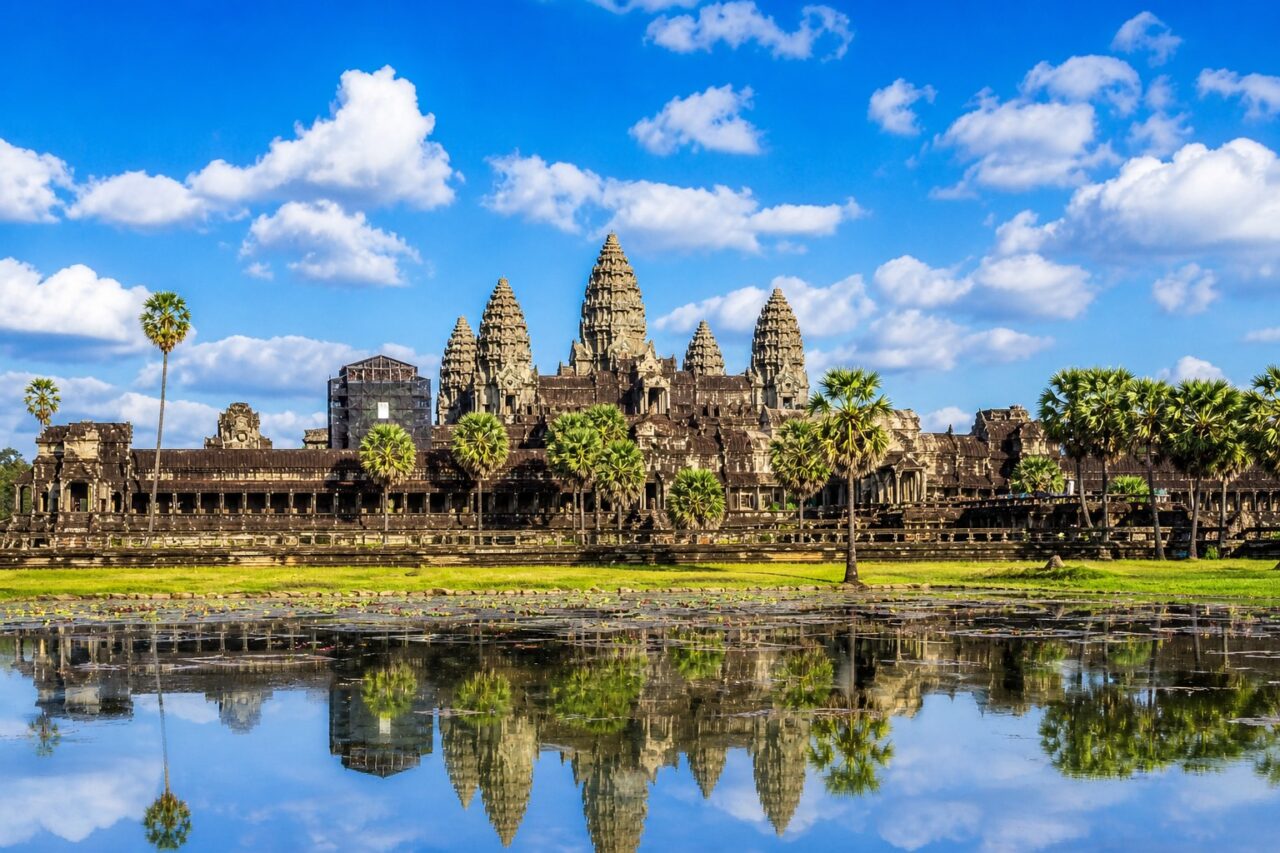
Temple Angkor Wat
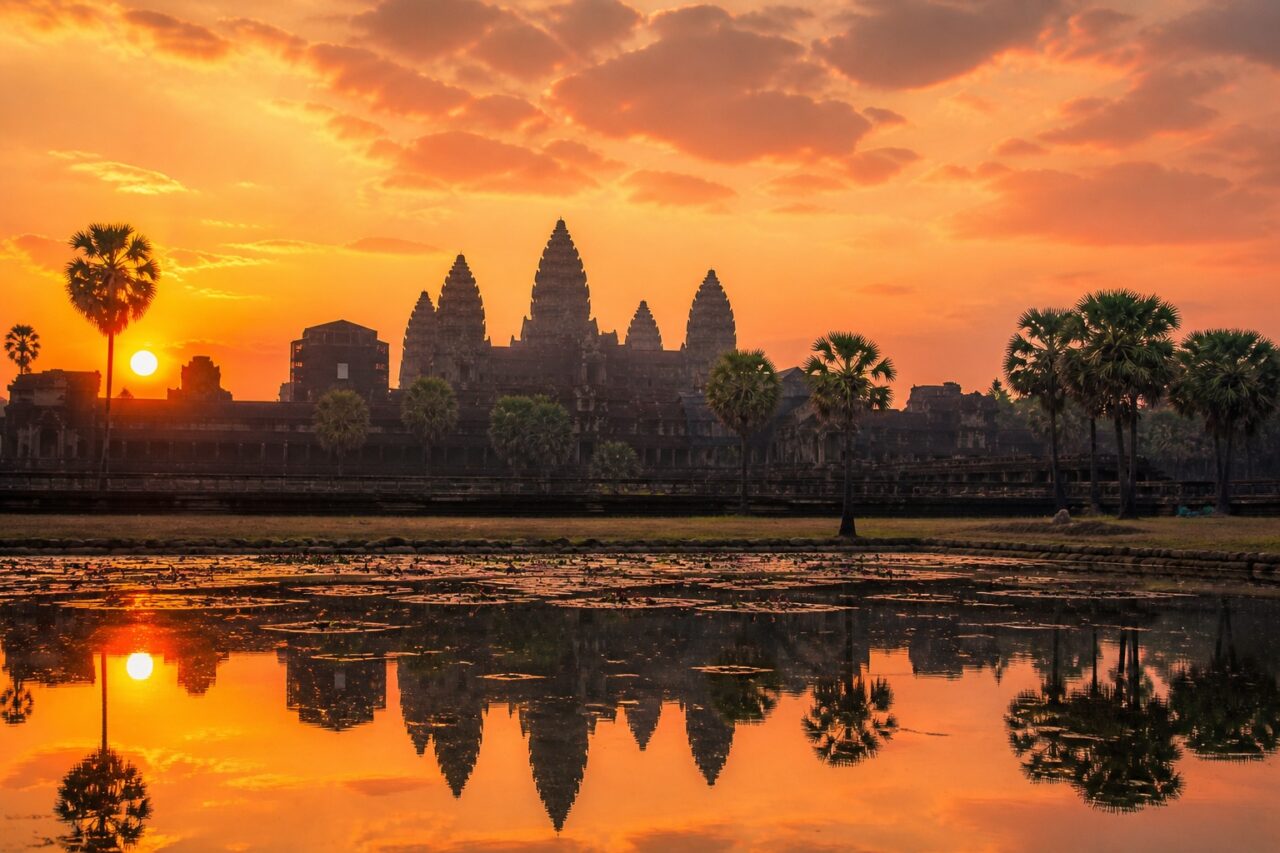
Sunrise Angkor Wat
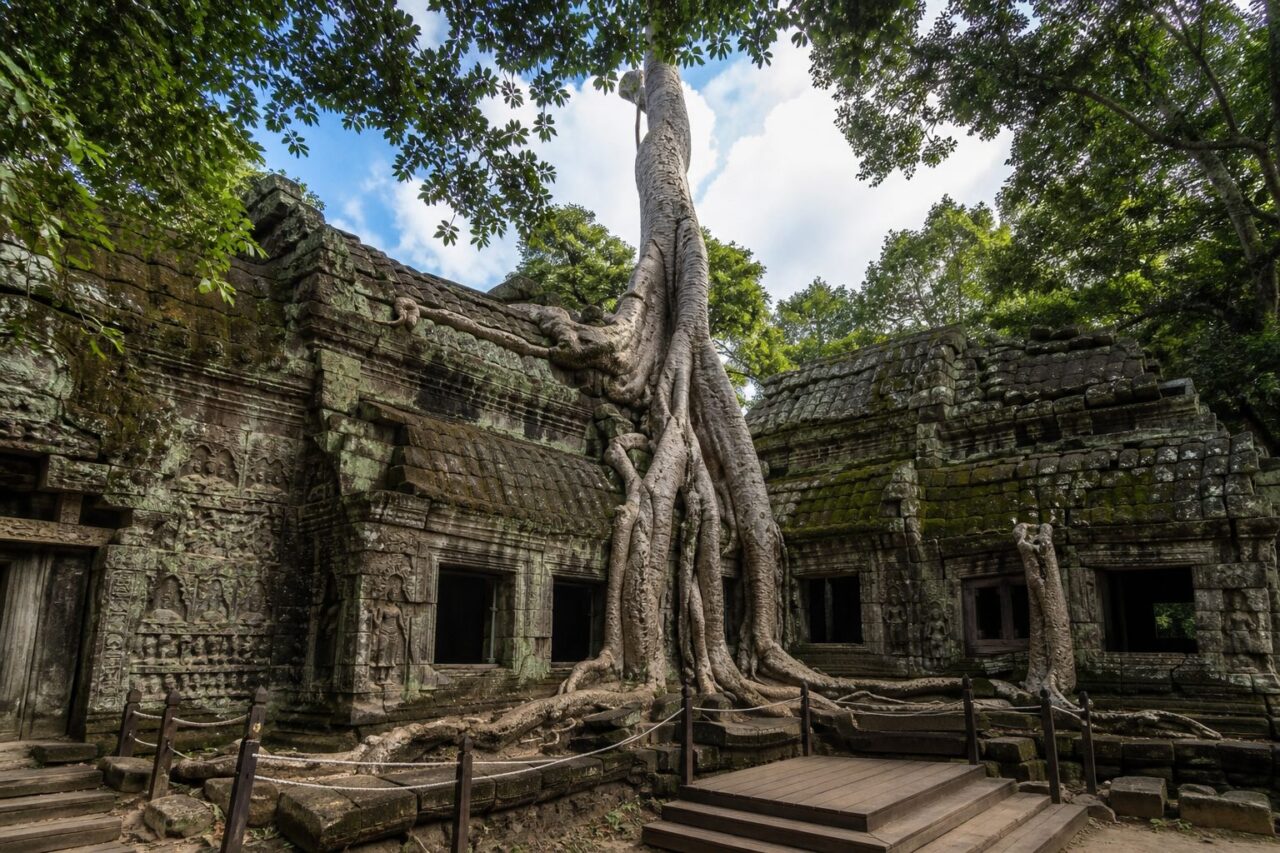
Ta Prohm
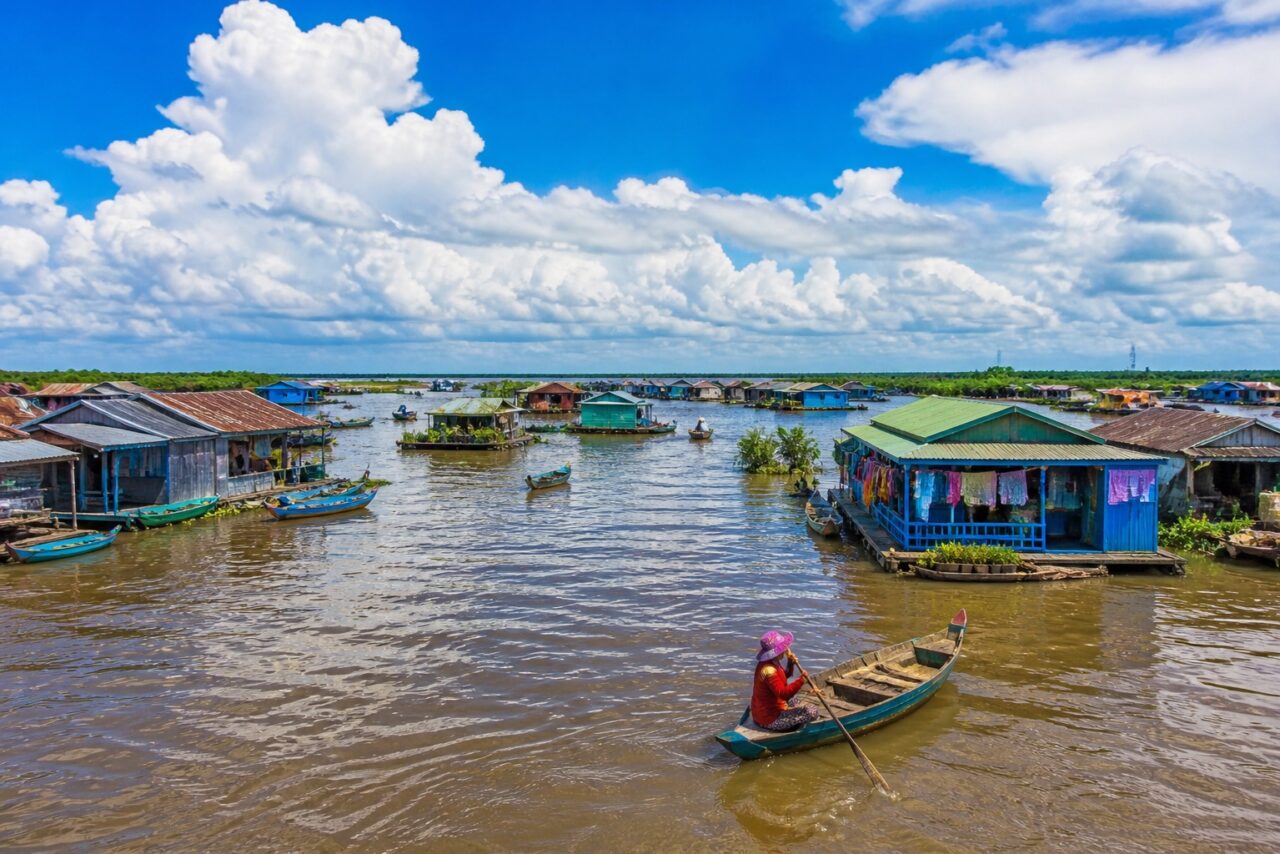
Lake Tonle Sap
Royal Palace
YOUR KIND OF HOLIDAY
Our Featured Tours

POPULATION

17,3 millions

AREA

236,800 km2

CURRENCY

Kip

WEATHER

Tropical monsoon climate

TIMEZONE

GMT +7
YOUR KIND OF HOLIDAY
When to go

1. The Peak Season (Dry & Cool): November to February

This is widely considered the “Golden Window” for traveling through Laos.

  • Weather: Clear blue skies, gentle sunshine, and pleasantly cool air. In northern regions like Luang Prabang or Phongsaly, temperatures can drop below 15°C at night and in the early morning.

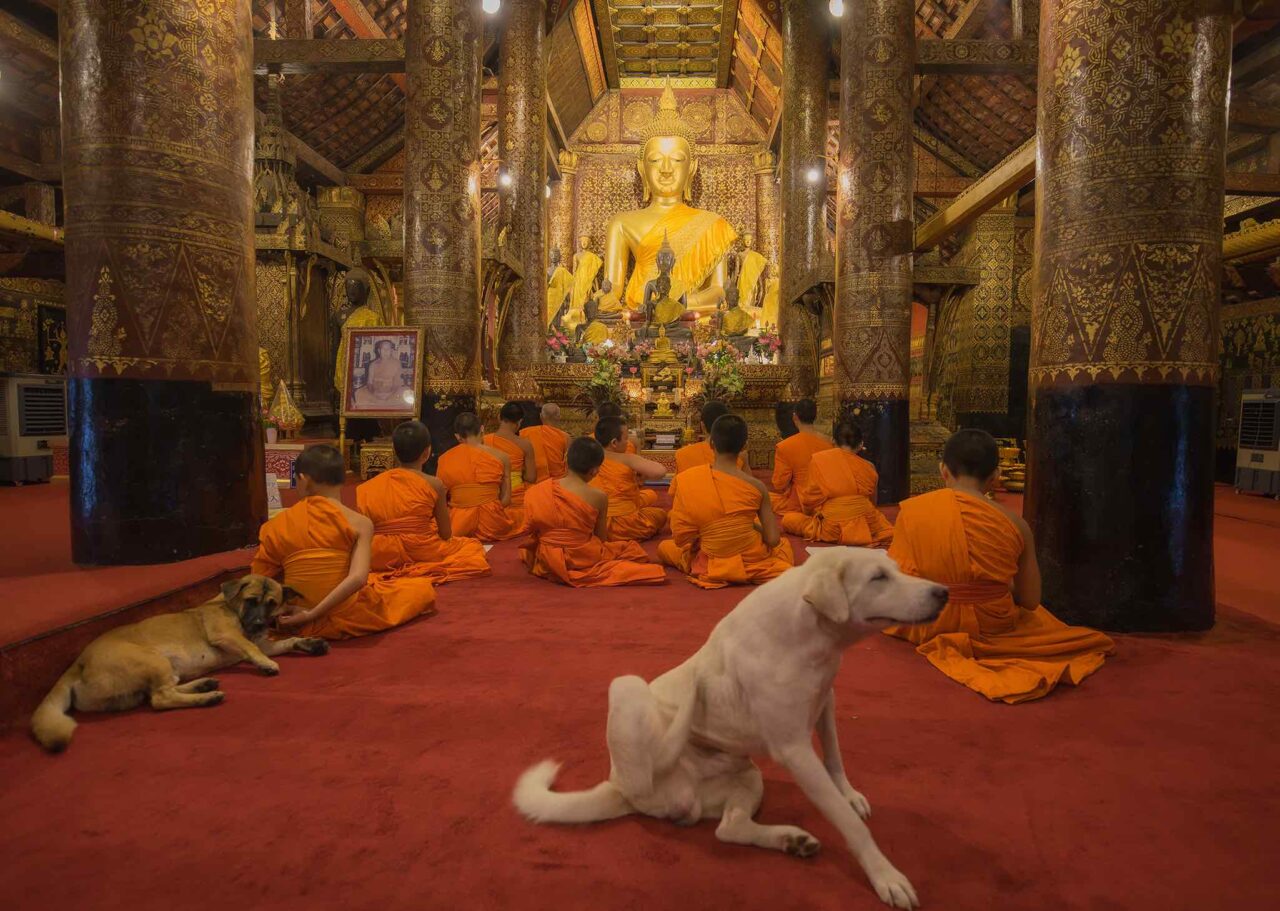
  • Best For: Mekong River cruises, jungle trekking, and temple hopping.

  • Keep in Mind: This is peak season; popular spots like Vang Vieng will be busier, and accommodation prices may be higher.

2. The Festive Season (The Heat): March to May

Choose this time if you want to experience the heart of Lao culture and don’t mind the high temperatures.

  • Weather: Very hot and dry, with temperatures often soaring between 35°C and 40°C.

  • Highlight: Pi Mai Lao (Lao New Year) in mid-April. It is a massive, nationwide water festival where everyone hits the streets to splash water and wish for good luck.

  • Keep in Mind: This is also the “burning season” in the north (farmers clearing land), which can lead to smoky skies—not ideal for crisp landscape photography.

3. The “Green” Season (Rainy): June to October

Don’t be deterred by the rain; this is when Laos is at its most vibrant and lush.

  • Weather: Rain typically comes in short, heavy bursts, which helps cool down the tropical heat.

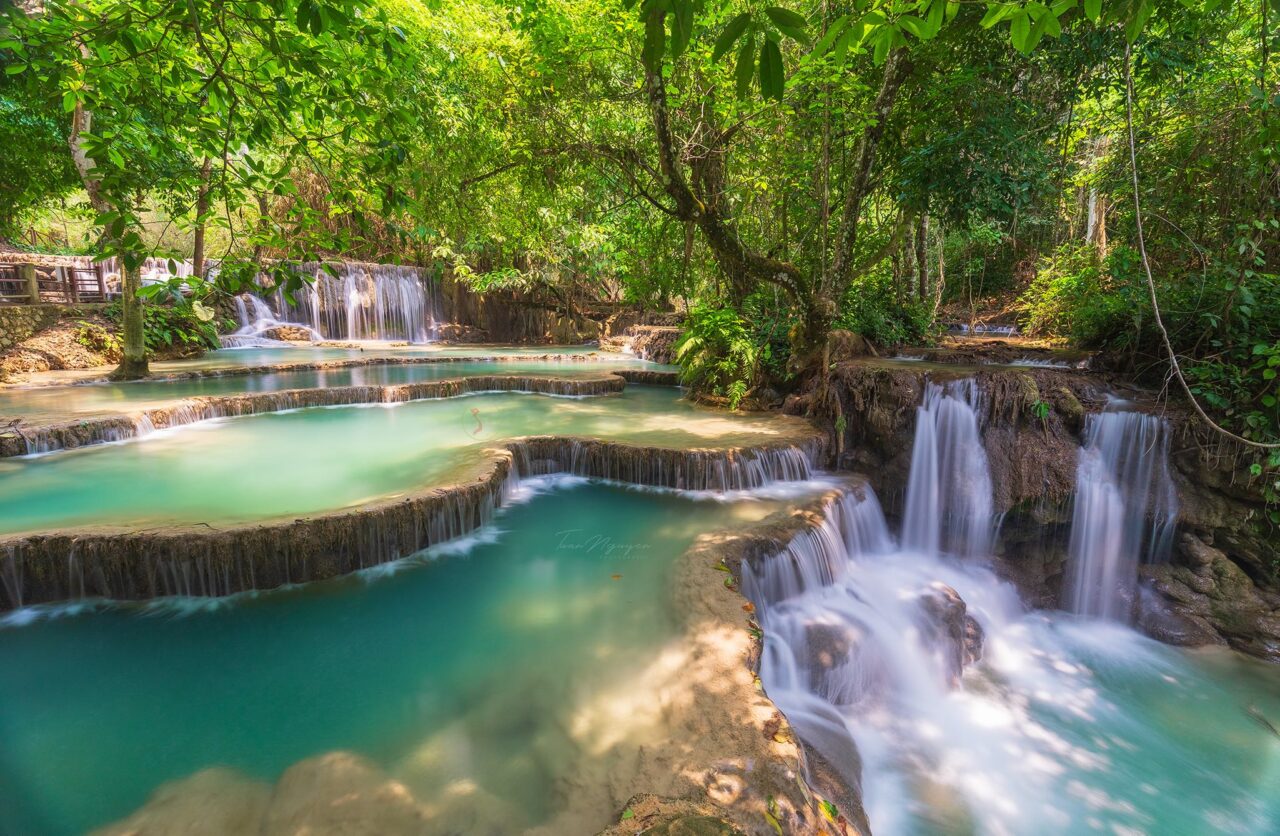
  • Why Go Now: Waterfalls like Kuang Si or Khone Phapheng are at their most powerful and majestic. The countryside turns an intense emerald green.

  • Keep in Mind: Rural trekking paths can become muddy, and road travel in remote areas may take longer than usual.


Quick Comparison Table

Your Priority Best Time to Visit
Cool Weather & Trekking November – February
Water Festivals & Culture April
Waterfalls & Lush Landscapes July – September
River Cruises (High Water) November – January

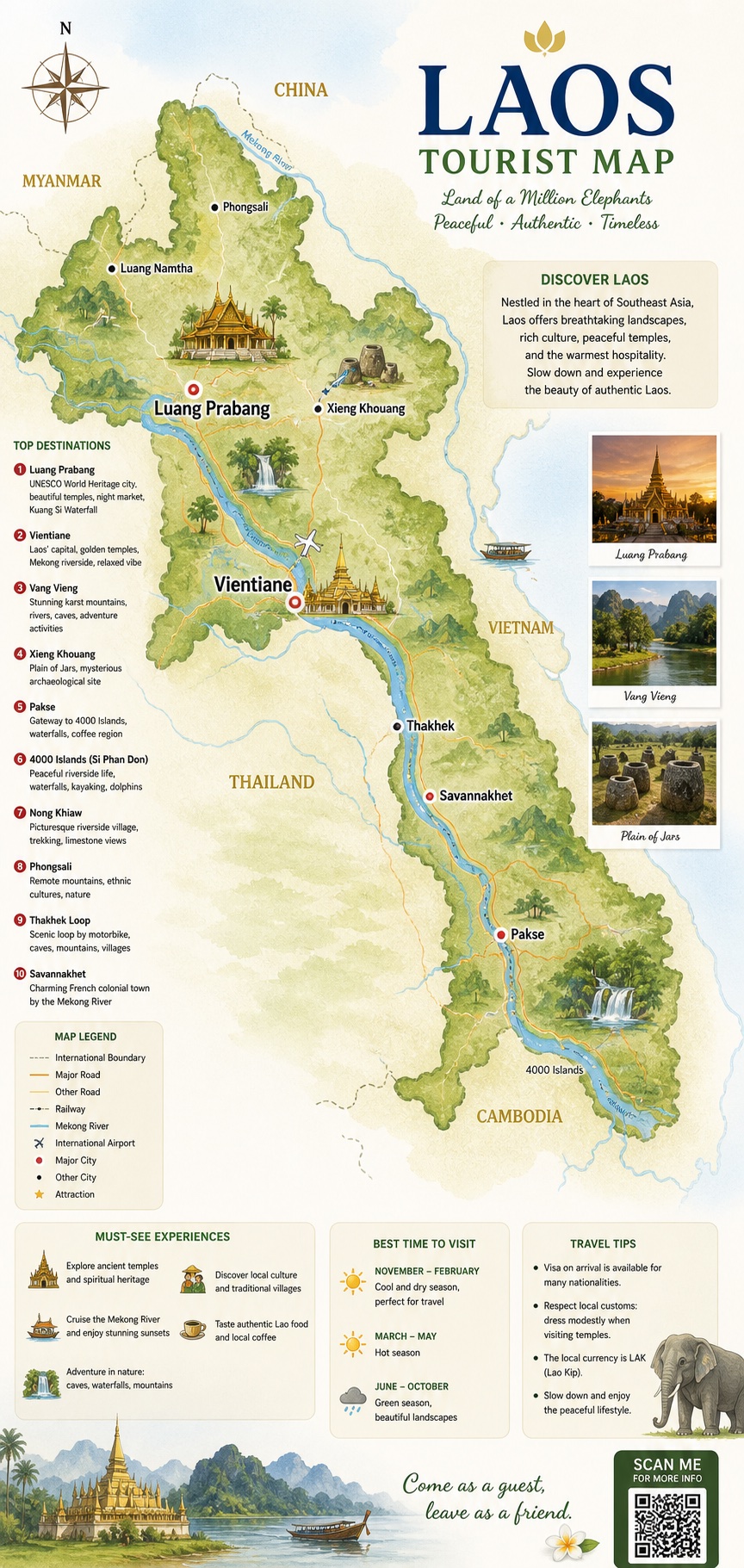
https://vietnamphototravel.com/wp-content/uploads/2026/01/Maps-of-Laos.jpg
Best Time: November to February

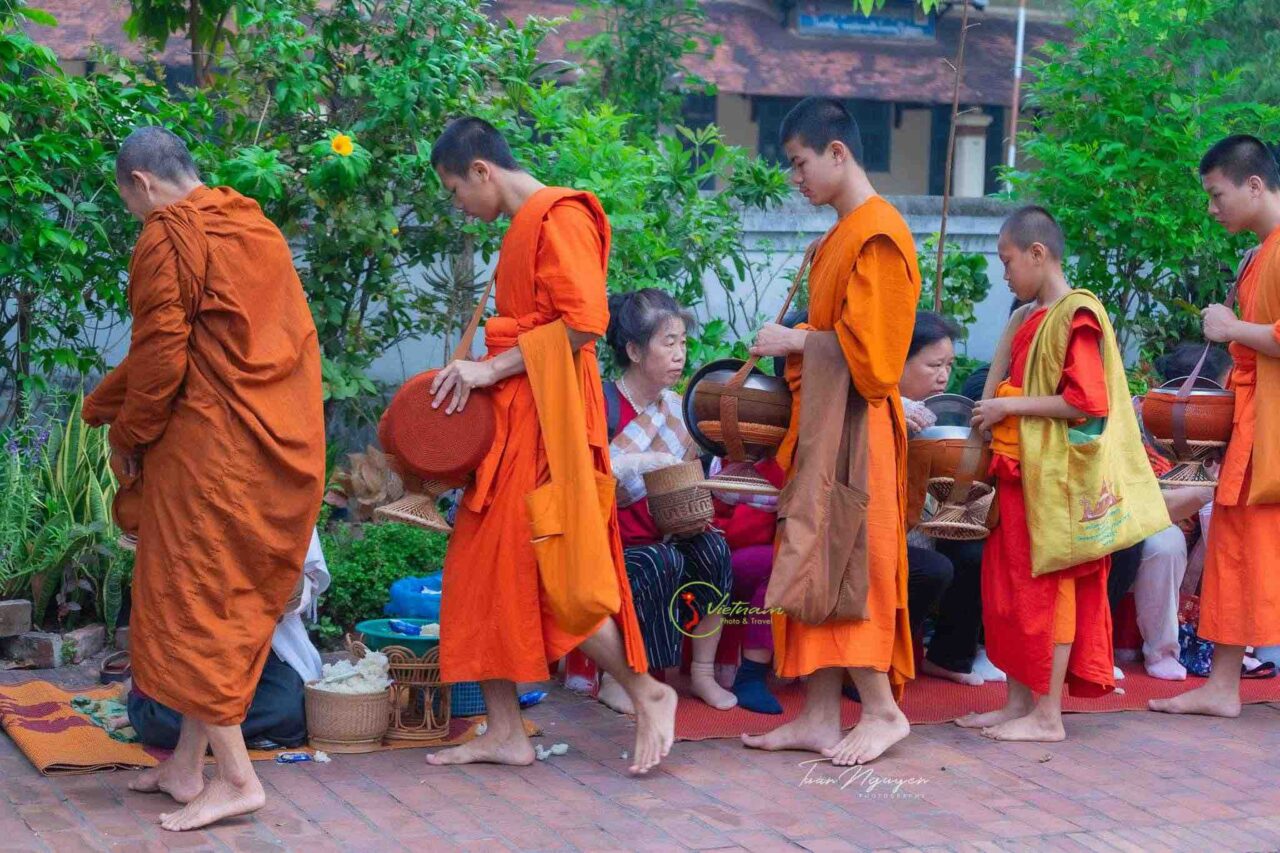
Luang Prangbang

Cool, dry, and crisp. Early mornings are perfect for capturing the Alms Giving
Best Time: November to March

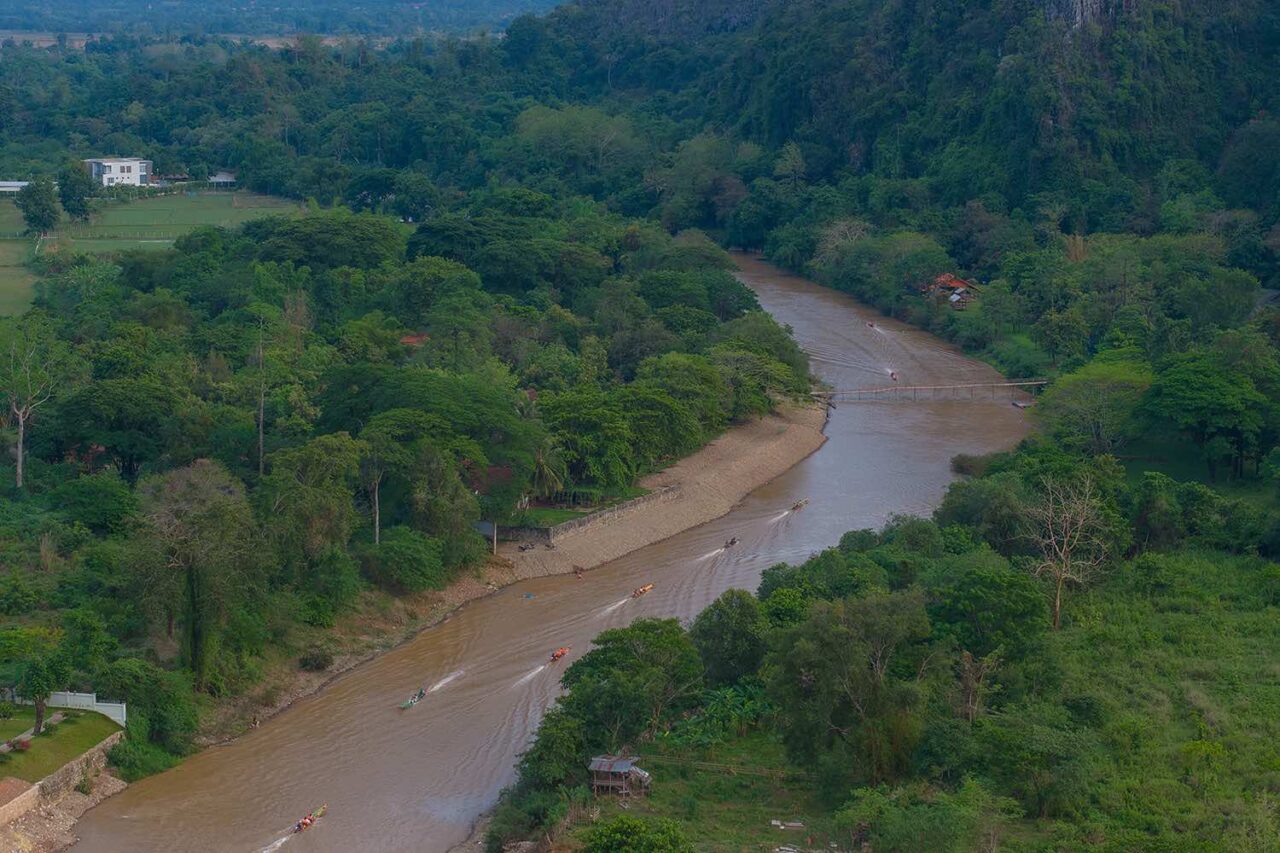
Vang Vieng

Clear blue skies are essential here for hot air ballooning and hiking to the Nam Xay Viewpoint.
February to July

Muang Khoa

While the rest of Vietnam experiences summer downpours, Hoi An remain relatively hot and dry until July, perfect for a beach escape.
The ideal time to visit is October to February

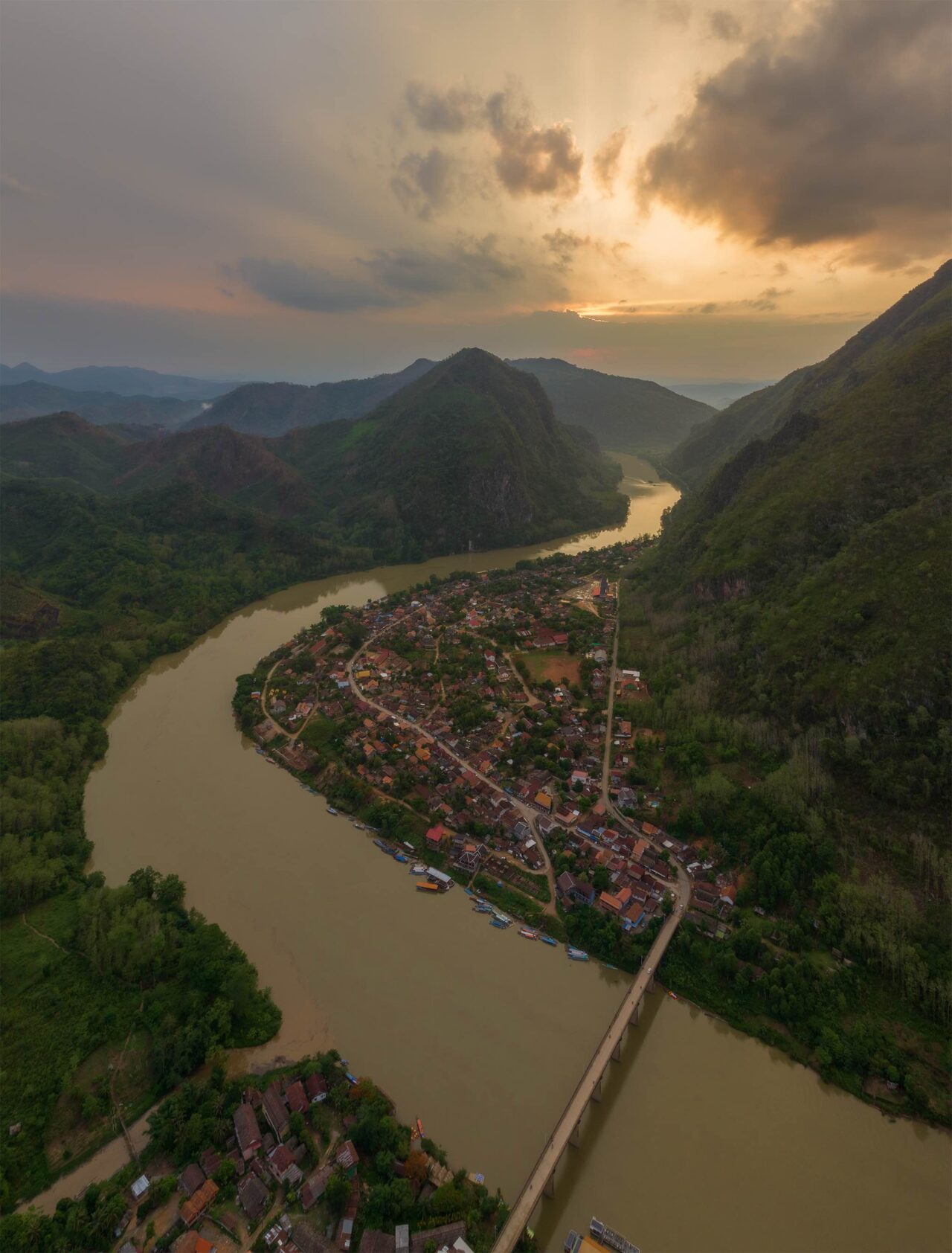
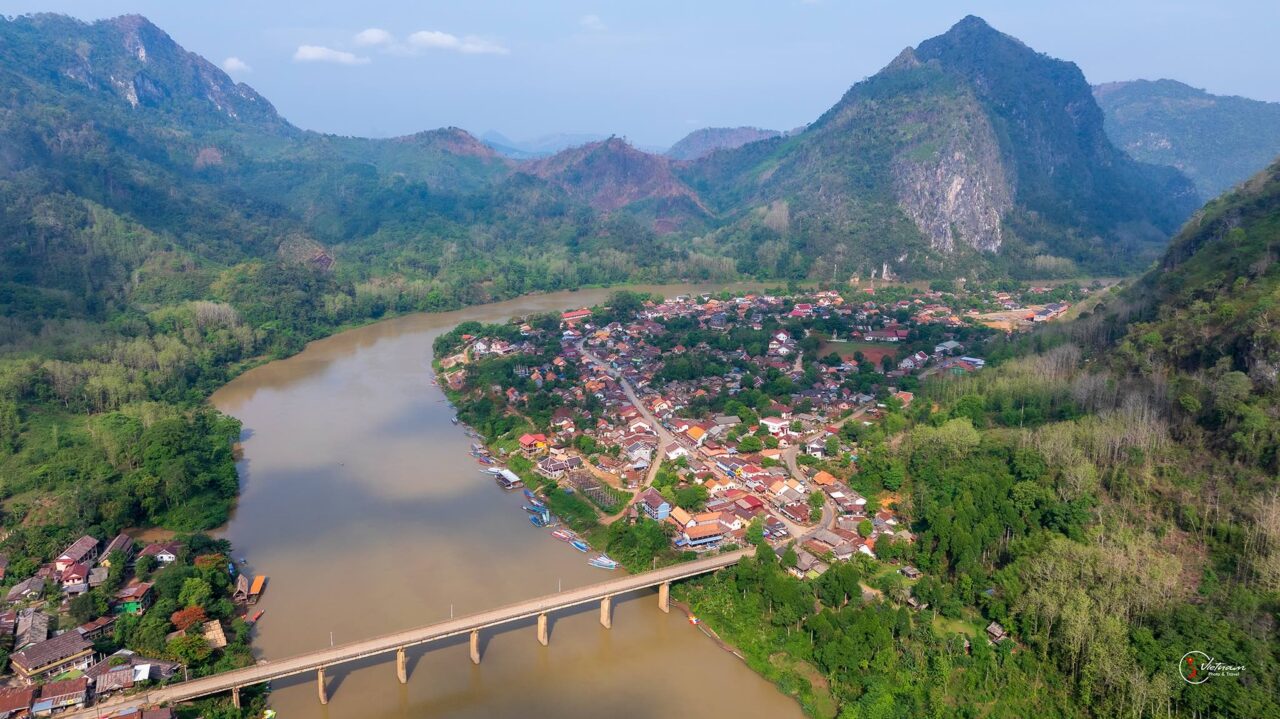
Nong Khiaw

The "Sea of Mist" is most common during these months. If you hike up before dawn, you can watch the sun rise over a thick white blanket of clouds with only the mountain peaks poking through.
Best Time: November to March.

Plain of Jars (Xieng Khouang)

This region is higher and cooler than the lowlands. The dry season provides clear blue skies which contrast beautifully with the grey stone jars for photography.
Best Time: November to February

Vientiane

The city is most walkable during these months. The flat terrain makes it easy to visit Pha That Luang or the Patuxai Victory Gate on foot without overheating.
Best Time: July to October (Green Season) or November to January (Cool Season)

Pakse

Heavy rains in October and November and hot days from May to August.
The Best Time for Coffee Lovers: November – February

The Bolaven Plateau

You can see farmers picking "cherries," drying beans in their front yards, and the processing plants are in full swing
The Peak Season (Dry & Cool): December – February

The 4,000 Islands (Si Phan Don)

Sunny, dry, and pleasantly warm during the day (around 26 ∘C−30 ∘C), with cool river breezes at night.
Best Time: November to February

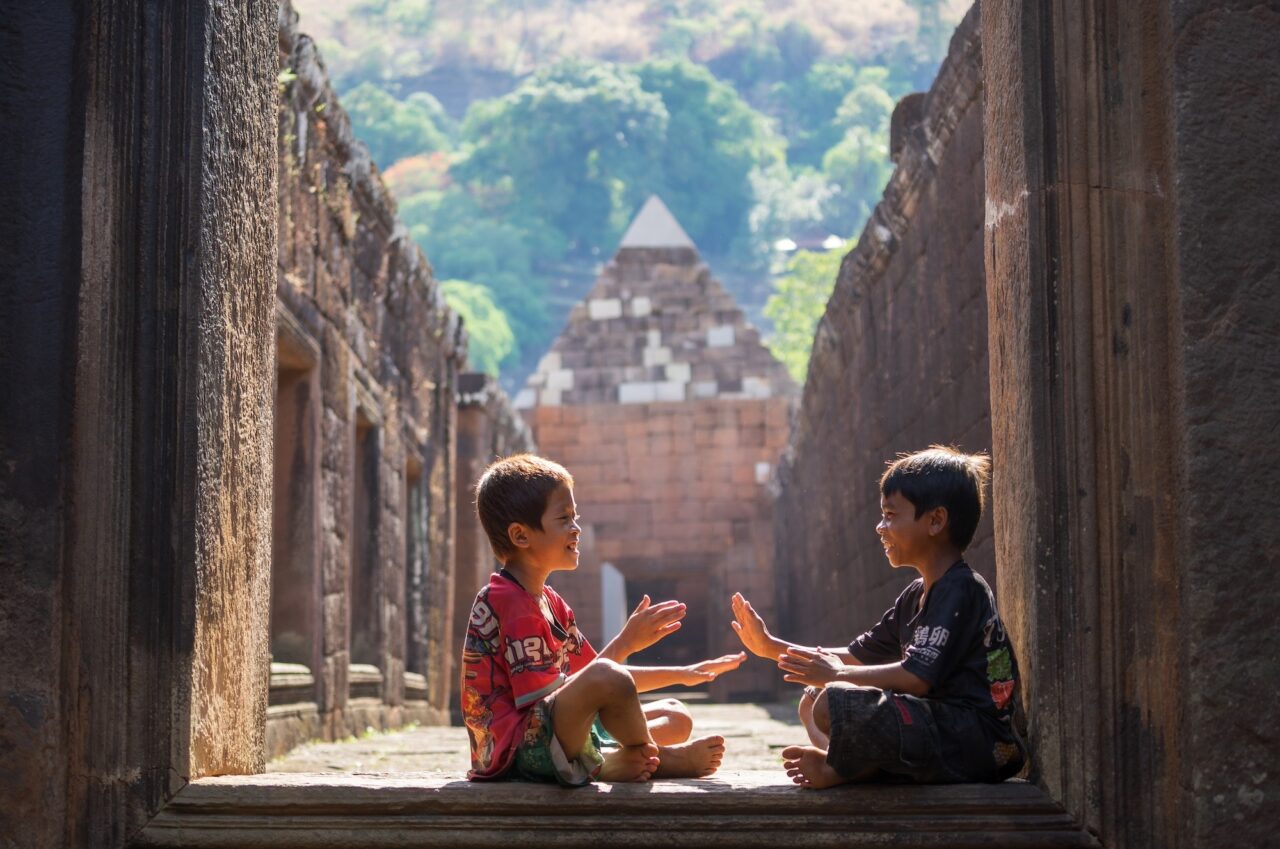
Wat Phou (Champasak)

This region is higher and cooler than the lowlands. The dry season provides clear blue skies which contrast beautifully with the grey stone jars for photography.
YOUR KIND OF HOLIDAY
Visa to Laos

🇱🇦 Laos Visa Policy for Foreign Tourists

Laos offers several visa options for international travelers, making it relatively easy to visit the country.

1. Visa Exemption

Citizens of certain countries can enter Laos visa-free for a limited period (typically 14–30 days), depending on nationality.
Examples include ASEAN member countries such as Vietnam, Thailand, Singapore, Malaysia, and Indonesia.


2. Visa on Arrival (VOA)

Most foreign tourists can obtain a Visa on Arrival at major entry points, including:

  • International airports (Vientiane, Luang Prabang, Pakse)
  • Land border crossings

Requirements:

  • Passport valid for at least 6 months
  • One passport-sized photo
  • Completed application form
  • Visa fee (usually around 30–45 USD, depending on nationality)

مدة الإقامة / Duration:

  • Typically up to 30 days

3. E-Visa (Online Visa)

Laos provides an electronic visa (eVisa) system for tourists.

Key points:

  • Apply online before travel
  • Processing time: about 3 working days
  • Valid for entry at selected international checkpoints
  • Stay duration: up to 30 days

4. Visa Extension

Tourists can extend their visa while in Laos.

  • Extension available at immigration offices
  • Usually granted in increments (e.g., 30 days)
  • Additional fee applies per day or per extension period

5. Important Notes
  • Always check your nationality-specific requirements before traveling
  • Overstaying a visa may result in fines
  • Entry requirements can change, so verify with official sources before departure

Nong Khiaw drone
Kuangsi waterfalls
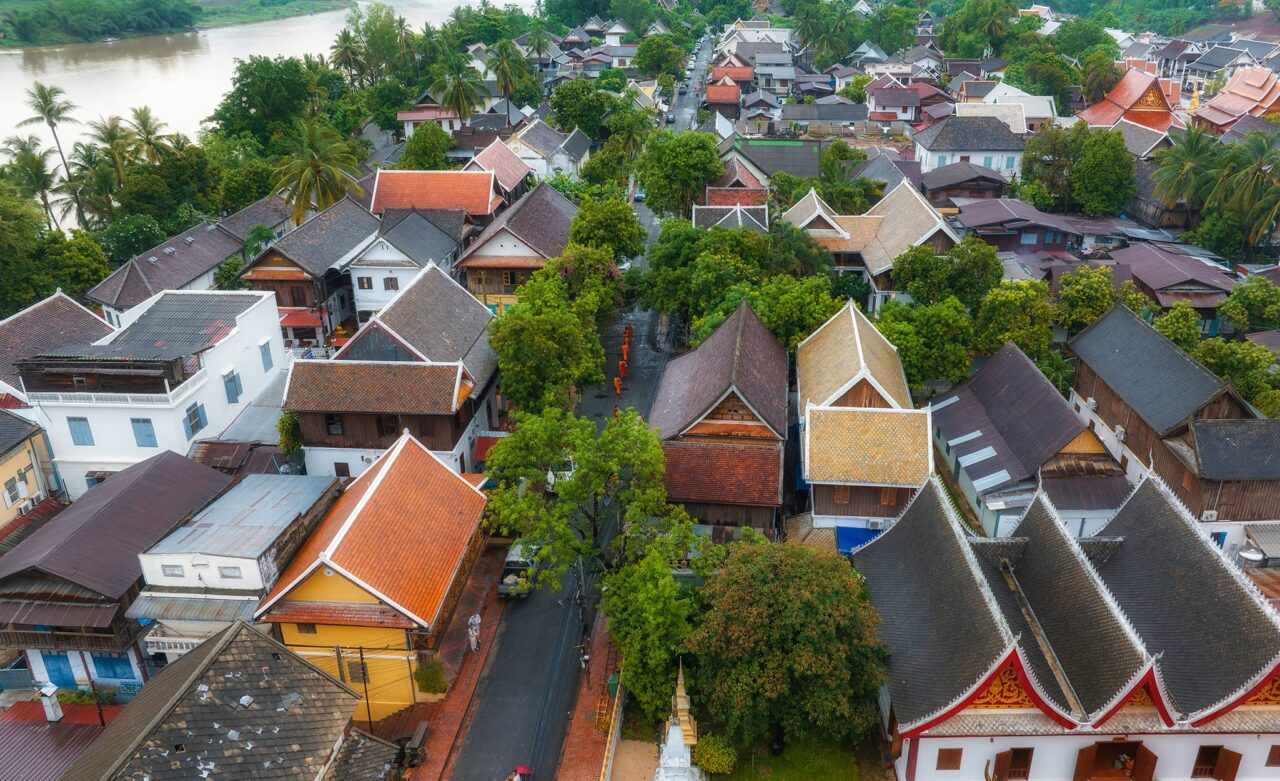
City Luang Prabang
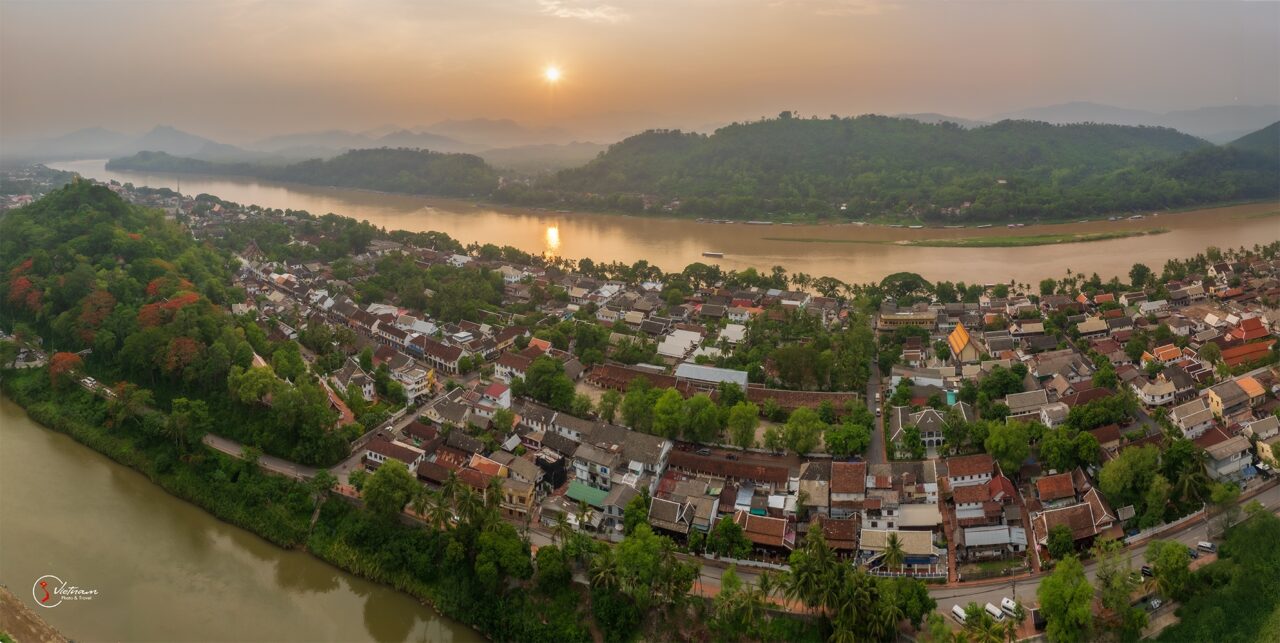
Luang Prabang panorama
Vat Xieng Thong Temple slide
Nong Khiaw River
Vang Vieng sml
moine sml
temple
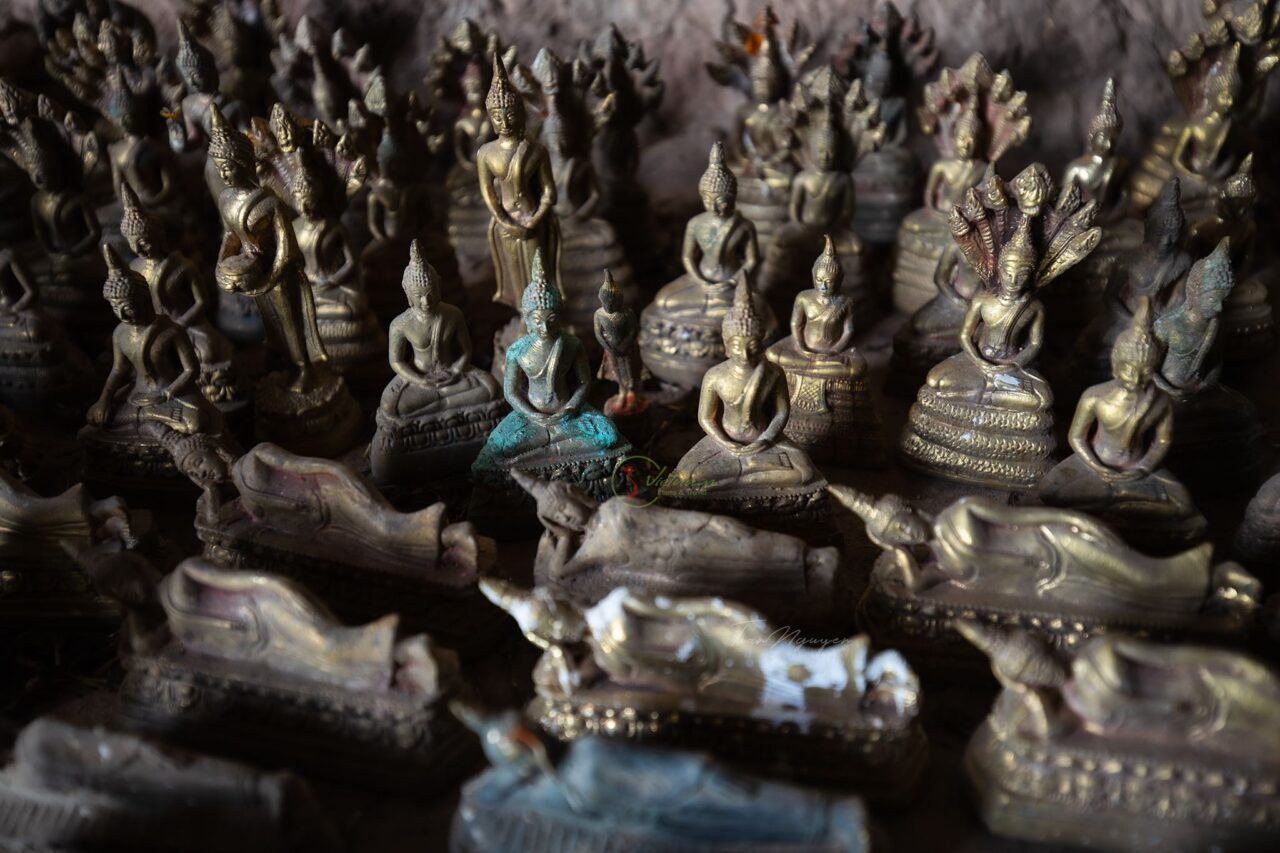
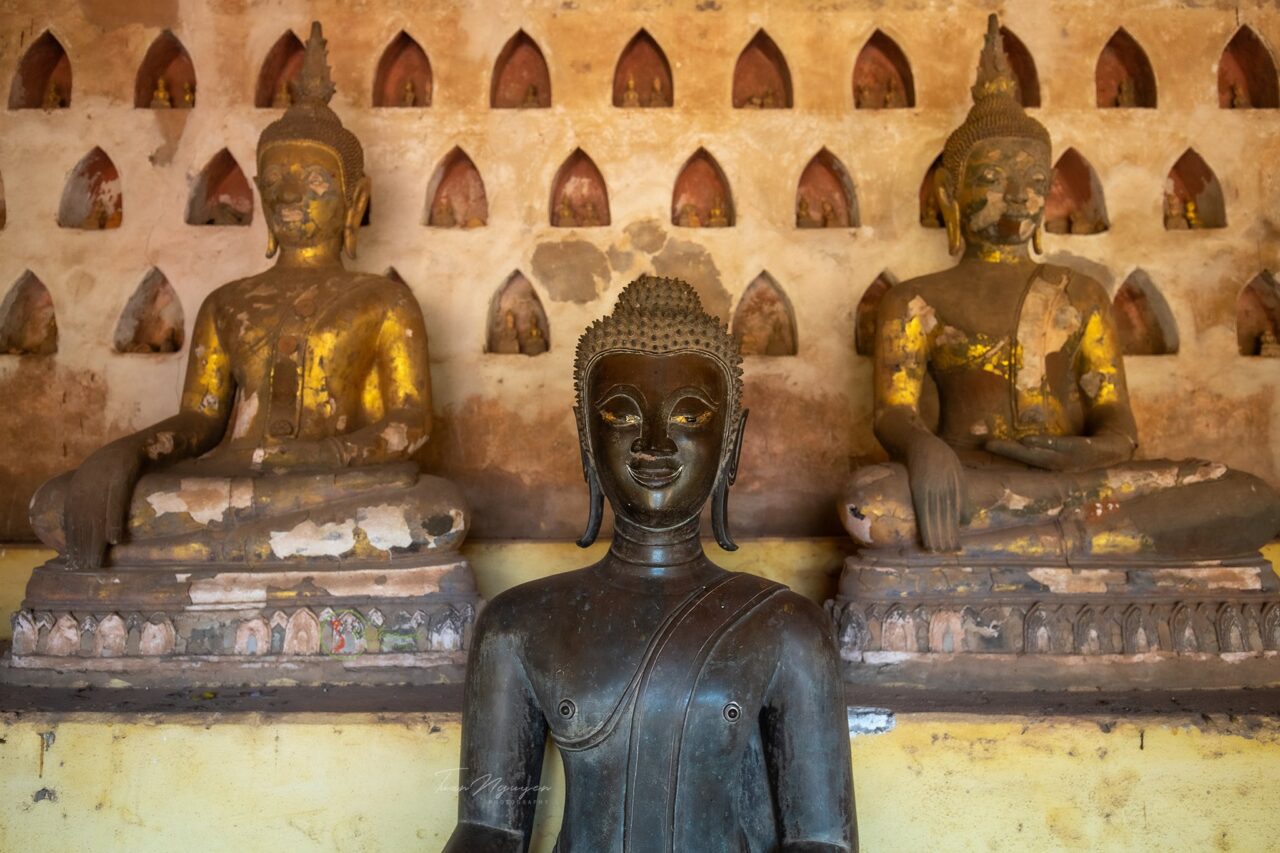
bouddha
Wat Sisaket bouddha
Children in wat phou temple
YOUR KIND OF HOLIDAY
Our Featured Tours

POPULATION

106 millions

AREA

330,210 km2

CURRENCY

Vietnam Dong

WEATHER

Tropical monsoon

TIMEZONE

GMT +7
YOUR KIND OF HOLIDAY
When to go

The best time for visiting Vietnam is spring (from February to April) and autumn (from August to October) are the most favorable season to visit the whole country. The rainfall during this period of time is lighter and the temperatures are more moderate. Within spring time, March and April usually have pleasant temperature and the lowest rainfall across all destinations, though still cool in the far north.

When deciding to see the whole country, please consider best time to visit Vietnam can be complicated. Vietnam is a truly year – round destination and you can travel to any part of Vietnam during any season possible. The country also stretched over 1,000km in length and has huge regional diversity. Here is your guide on what to expect on each region, where and when to visit…

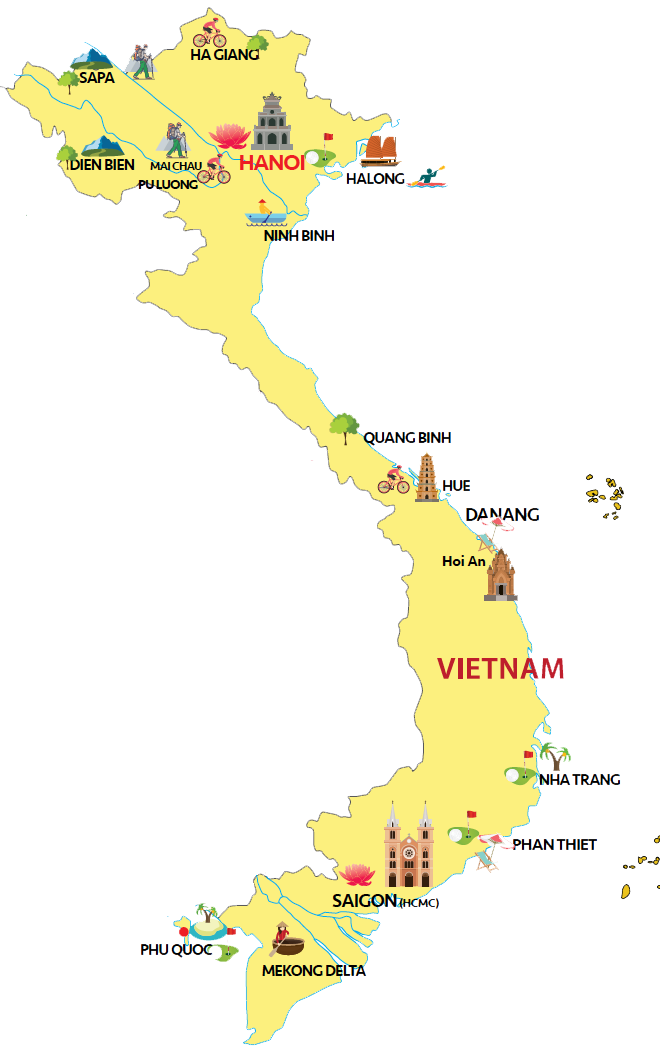
https://vietnamphototravel.com/wp-content/uploads/2026/01/vietnam_travel_guidge.png
March to June, September and Octorber

Sapa

The cooler climate makes Sapa idea when the weather is warmer and days are mainly sunny.
March to June, September and Octorber

Halong Bay

Spring and autumn after the best change of warm days and clear skies.
February to July

Hoi An

While the rest of Vietnam experiences summer downpours, Hoi An remain relatively hot and dry until July, perfect for a beach escape.
Year round

Dalat

This alpine region is temperate year-round and ideal for escaping the summer heat.
Year round

Hanoi

Hot and humid in summer,

cool and dry in winter.
January to August.

Hue

Heavy rains in October and November and hot days from May to August.
February to August

Nha Trang

Nha Trang enjoys a warm, tropical climate all year round, making it a perfect destination for beach lovers and outdoor activities.
Year round

Saigon

With balmy days year round, afternoon downpours from May to November rarely affect touring.
YOUR KIND OF HOLIDAY
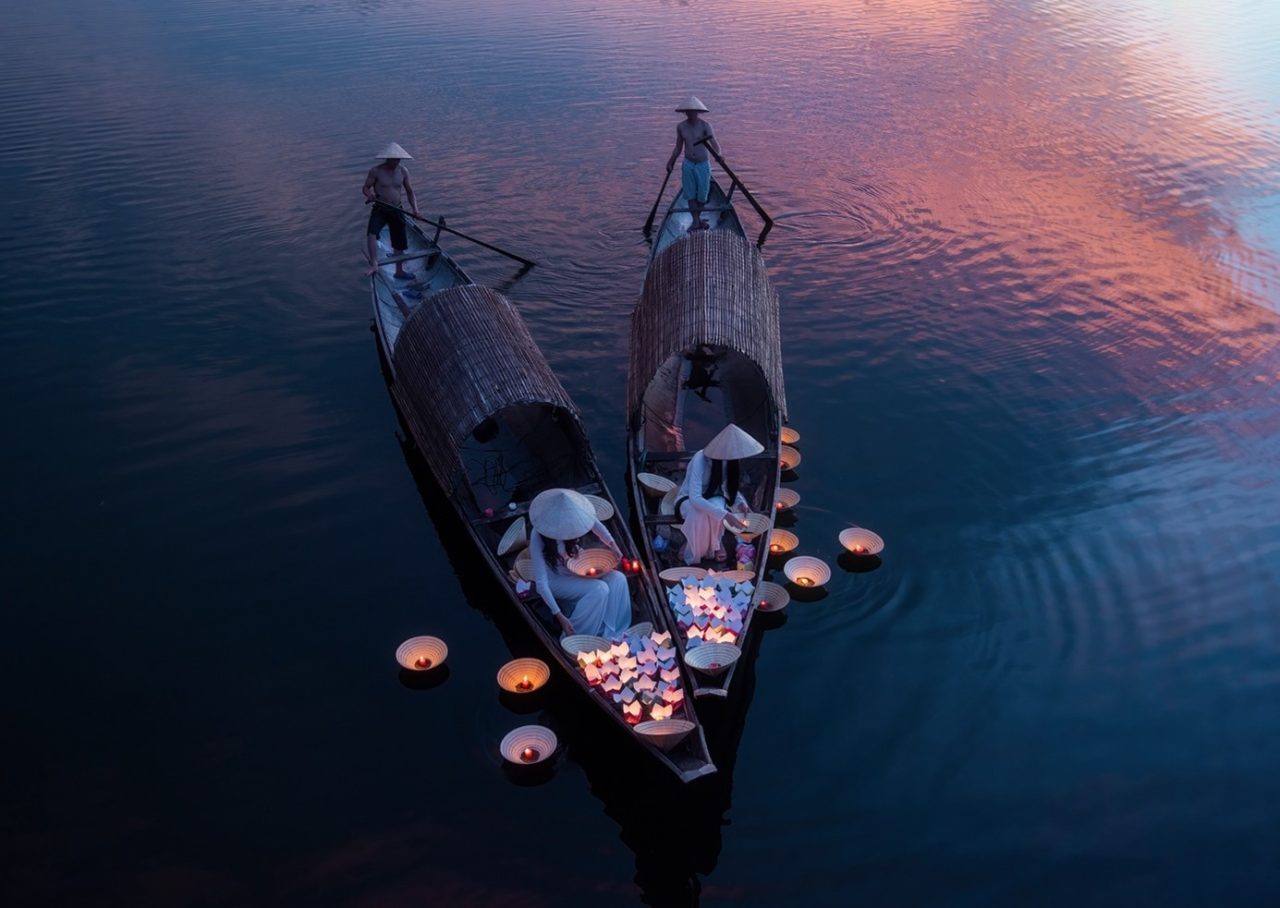
Visa to Vietnam

Some nationalities need a visa in advance for all visits, some don’t. The standard length of stay for tourist visas is 30 days; for visa-exempt nationalities it is valid for 15 days.

Visa on Arrival (VOA)

Visa on Arrival (VOA) is the preferred method for most travellers arriving by air (applied for Vietnam’s six international airport, not at land crossings), since it’s cheaper, faster and you don’t have to part with your passport by posting it to an embassy. VOA could be a single entry or multiple entry as requested at the time of application. Viet Expert Travel can assist to arrange and send by email the VOA to you directly. Please contact us at: info@vietexperttravel.com to enquire for the cost of Visa.

You’ll then receive by email from Viet Expert travel for a VOA approval letter signed by Vietnamese immigration that you print out and show at the custom on arrival, where you pay for your visa stamping fees in cash and US$. The single-entry stamping fee is US$25/person, a multiple-entry stamping fee is US$50/person.

Note: A valid passport for at least six (6) months from the expiry date, 01 recent passport-sized photo required as well as stamping fees in USD cash (the immigration don’t accept any others currency as well as credit card)

nhu y river
Madam Song
day3-a
day1-c
day1-b
day4-c
YOUR KIND OF HOLIDAY

Our Featured Tours

We specialize in a wide range of travel experiences, from traditional cultural tours and luxury retreats to golf toursand exhilarating explorations. Our signature product is our exclusive Photography Tour, designed to take you to the most breathtaking spots and hidden gems across Vietnam.

Full Agency Name: Vietnam Photo & Travel Co., Ltd.

Short Name: VIETNAM PHOTO & TRAVEL

CONTACT

Address: 5th Floor, 152 Pho Duc Chinh Str., Ba Dinh Dist., Hanoi, Vietnam.

Hotline/ WhatsApp: (+84) 948 560 666

Email: info@vietnamphotostour.com

Tour Operator License: 01-2039/2022/TCDL-GPLHQT

Business License & Tax ID: 0110130386 – Issued by the Business Registration and Corporate Finance Office under the Hanoi Department of Finance.

STAY INSPIRED

Subscribe to our newsletter and get exlusive first minute offers straight into your inbox.


    Copyright © 2026 Vietnam Photo & Travel. All Rights Reserved.

    Close

    Get in Touch